This guide explains how to evaluate and buy a Chevy Silverado Manteca Edition or comparable Silverado listings efficiently. The term “Manteca Edition” typically reflects a trim/package or locally marketed appearance theme, while “Chevy Silverado” denotes one of the very traded full-size pickup lines in North America. Background context covers how editions, pricing signals, and dealership inventories affect what buyers should verify before committing.
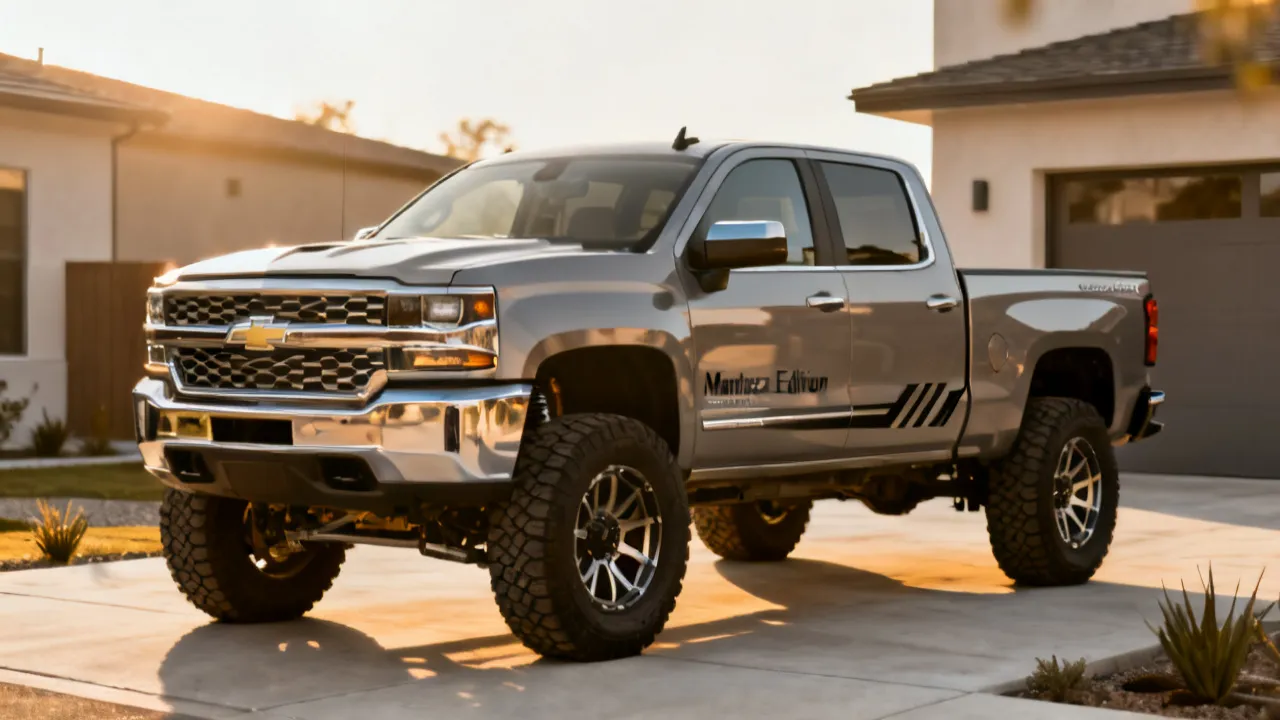
If you’re shopping for a Chevy Silverado Manteca Edition, the very important step is to confirm what “edition” actually includes. In many listings, “edition” can refer to a specific trim level, an equipment package, appearance styling, or dealer-installed upgrades—sometimes described consistently, sometimes loosely. Before you compare monthly payments or sticker-like pricing, confirm the exact configuration (engine, drivetrain, cab/bed, and options) from the vehicle identification and the listing’s option breakdown.
From an industry-expert perspective, the “top deal” is not simply the lowest number. It’s the listing that matches your use case with the least unresolved risk (condition, title history, documentation quality, and service records), while still fitting your budget.
That may sound like a salesy slogan, but it’s grounded in how vehicle value really works. A truck’s price is determined not only by year, mileage, and location, but by what’s installed on it and what state those components are in. Two Silverado trucks with identical years and mileage can differ drastically if one has fresh tires, recently serviced drivetrain components, and documented maintenance—and the other has unknown wear, deferred repairs, and missing documentation. When a listing includes an “edition” label, the risk of misunderstanding what you’re buying goes up—because marketing phrasing can compress multiple details into one convenient word.
Therefore, the best way to think about “Manteca Edition” is as a starting point—not a final description. Treat it like a clue in a puzzle. Your goal is to verify the full picture and then compare apples to apples, not apples to oranges.
The Chevy Silverado name carries broad market recognition, which often translates to better parts availability, widespread service knowledge, and a large pool of comparable listings. That market depth can work to your advantage when you negotiate—because you can cross-check similar equipment and mileage ranges across reputable inventory sources.
Service shops and parts departments also tend to be comfortable with popular Silverado configurations. That matters because it increases the likelihood of accurate diagnostics if something is wrong. If you own the truck long-term, this can reduce downtime and repair cost unpredictability. It also means you’re more likely to find independent mechanics familiar with common service intervals, known wear items, and typical failure patterns—especially for drivetrain components and suspension parts that vary with 2WD vs 4WD usage.
However, popularity also means you’ll see more variability in how sellers describe condition and features. The more widespread the model, the more it gets used in different contexts: work hauling, commuting, family use, fleet use, occasional towing, or seasonal off-road. That variation affects wear patterns, tire wear, brake wear, transmission/drivetrain stress, and even upholstery condition.
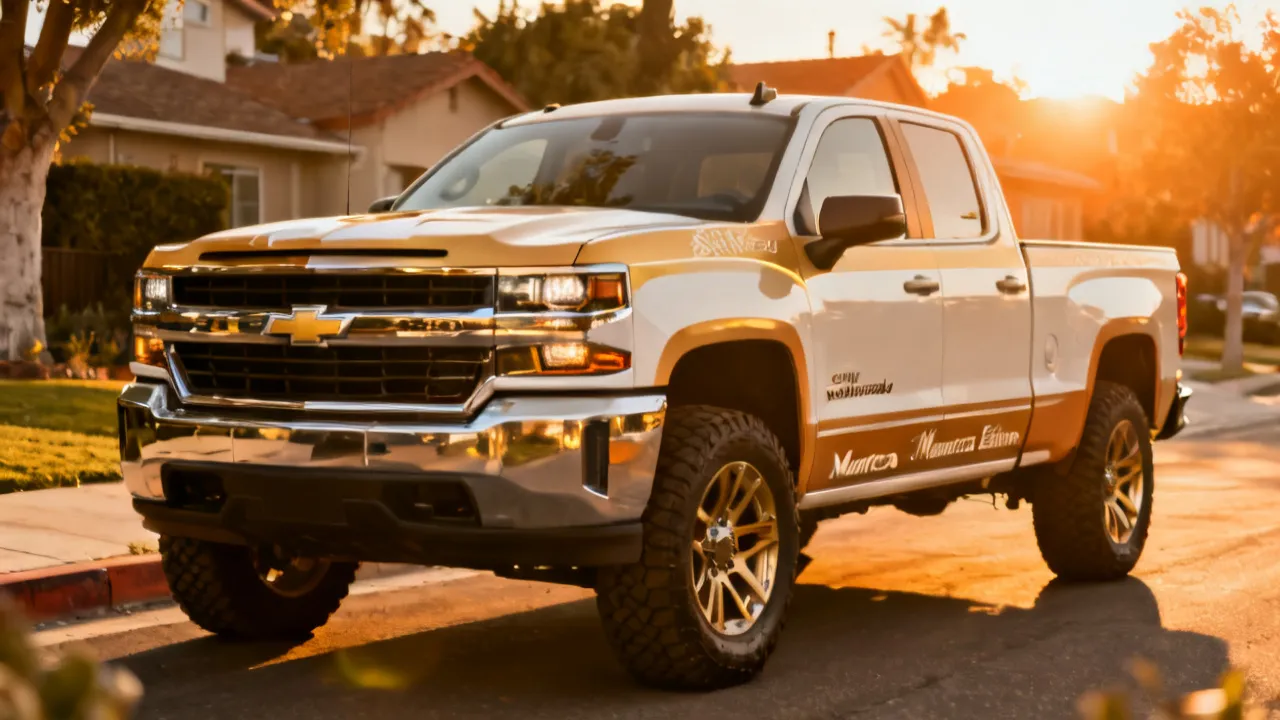
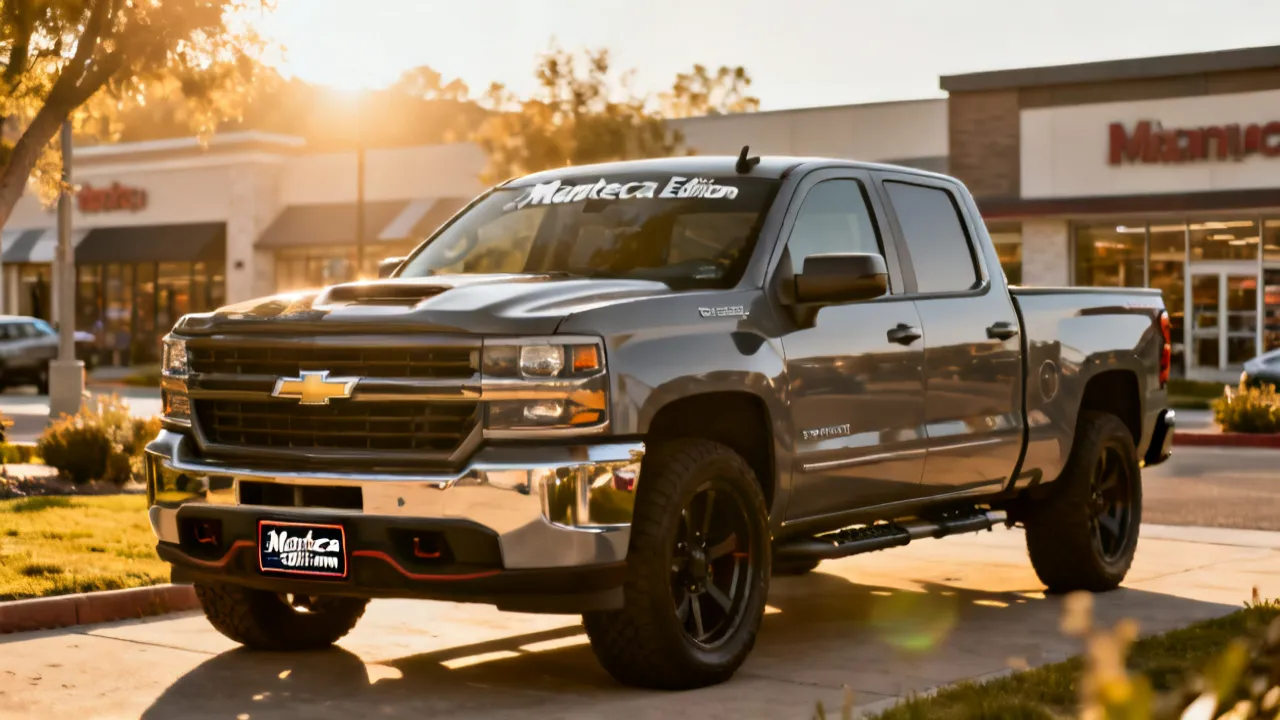
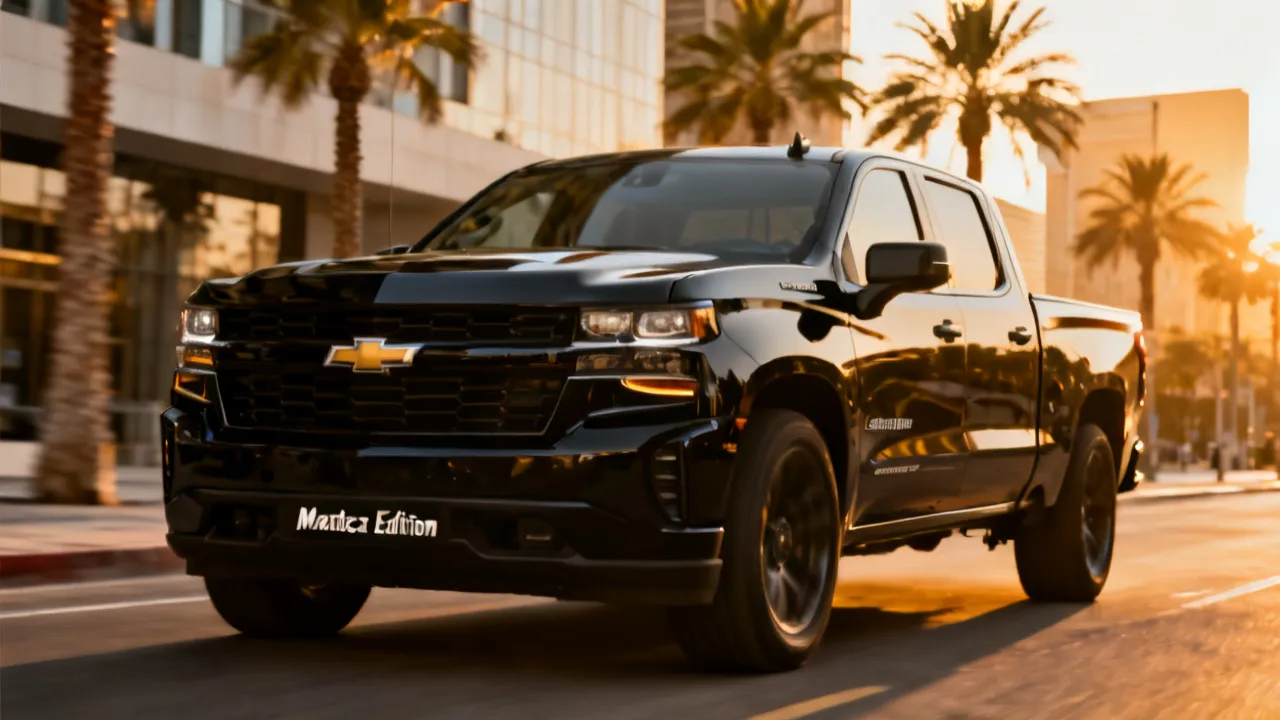
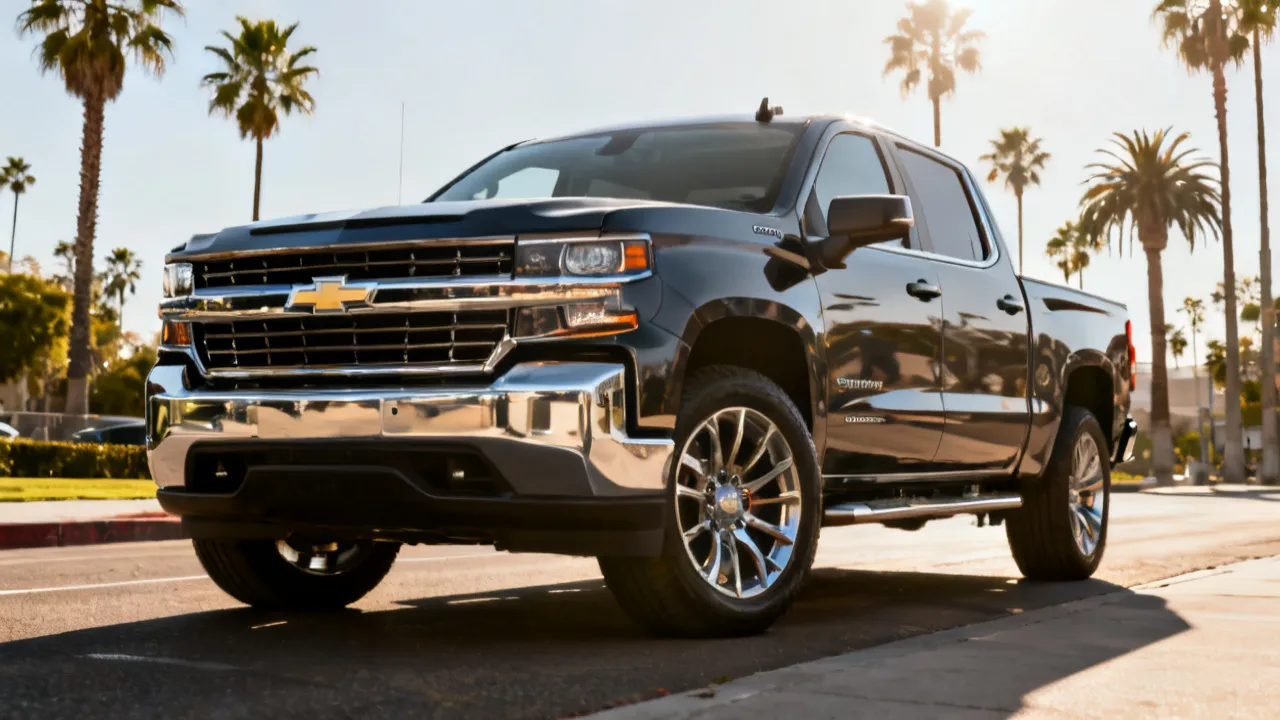
When you’re targeting a Chevy Silverado Manteca Edition, focus on verifiable details rather than marketing phrasing. If you only focus on the edition name, you risk buying a truck that does not match the package you envisioned—such as missing wheel/tire upgrades, different infotainment hardware, or a configuration that doesn’t meet your functional needs (for example, needing 4WD for winters but receiving a listing that is actually 2WD).
“Manteca Edition” typically appears in listings as a themed or packaged reference rather than a universal factory designation understood the same way everywhere. As a result, you should treat it as a label to be audited.
In real-world marketplace listings, words like “Edition,” “Package,” “Special Edition,” “Sport,” “Appearance,” or “Trail” can be used in a spectrum of ways. Sometimes the term is directly tied to a specific production trim or factory option combination. Other times it’s a dealer-installed accessory bundle or a marketing nickname. Even within the same seller network, two listings might use the term differently if the inventory came from different sources.
So the prudent approach is to decode “Manteca Edition” into components: what trim family does it sit in? what engine and drivetrain are included? what cab and bed sizes are installed? what is the infotainment system? which wheel/tire setup is included? what interior and exterior appearances does it claim? what options are included or excluded?
To go deeper, you can also treat “Manteca Edition” as a prompt to investigate whether the truck has additional dealership-installed upgrades that may not affect the price the same way as factory options. For example, dealer-installed off-road lighting, aftermarket wheels, or accessory packages can create a visual difference but not necessarily a value difference. In some cases, these upgrades can even be a depreciation factor if their quality is inconsistent or if they require additional wiring modifications that weren’t professionally integrated.
That’s why verification matters. When a listing says “edition,” your job is to ask: What are the actual items? Then compare those items against similar trucks.
To compare the Chevy Silverado Manteca Edition or similar Silverado listings responsibly, use established inventory platforms. Below is a concise comparison of common listing sources and what they typically help you do.
| Source category | What it helps you do |
|---|---|
| National dealer/car inventory marketplaces | Filter by model, trim, mileage range, and key features; often includes dealer-supplied details. |
| Large used-vehicle retailers | Provide standardized listings and structured inventory browsing; helpful for comparing similar vehicles. |
| Multi-dealer aggregators | Expand search coverage; useful when you’re flexible on location and want more options to compare. |
Source of information: https://www.cars.com/ (information source), https://www.carmax.com/cars, https://www.caronsale.com/en, https://www.autotrader.com/.
Even though these platforms are helpful, they’re still only as accurate as the data provided by sellers. That means you should consider these sites an efficient research tool rather than a definitive specification engine. Treat every listing as something to validate: verify the configuration, request the vehicle history report when applicable, and if possible schedule an inspection.
Also, different platforms sometimes display different levels of detail. Some list dealer-installed packages well; others focus mostly on general trim and basic specs. When you find a truck that looks promising, you can often cross-reference the same vehicle across sites (if it’s syndicated) to see whether the option breakdown is consistent. Inconsistency across platforms is not always a red flag, but it is a sign to investigate—especially if the price seems “too good to be true.”
For buyers aiming to land a Chevy Silverado Manteca Edition (or an equivalent Silverado listing) at a strong price, the process matters as much as the browsing. Here’s a practical, step-by-step workflow used by experienced automotive buyers and appraisers.
Start with practical needs rather than preferences. For example, if you plan to tow, prioritize drivetrain and cooling system suitability. If you live where roads are salted in winter, consider how the truck was maintained (underbody corrosion risk can be affected by whether the prior owner did protective measures). If you’re commuting and want lower running costs, prioritize configurations with more predictable fuel economy and a tire size that isn’t unnecessarily expensive to replace.
Then define deal-breakers that reflect your tolerance for uncertainty. Some buyers can tolerate cosmetic imperfections if the mechanical condition is strong. Others need documented records. A “cheap” listing can be either a great find or a stress trap, so clarity about your limits helps you avoid impulsive decisions.
Instead of watching one listing, create a short list of 5–10 comparable pickups. Compare on what actually changes the valuation: mileage, engine/drivetrain, trim-equipment alignment, and documented condition.
When building your comparison set, don’t just match year and mileage. Match configuration details that affect both price and risk. For Silverado trucks, the biggest variables often include:
Once you have your list, you can assign a simple confidence score to each listing. For example: documentation quality, photo clarity, disclosure completeness, and whether they offer inspection access. The “best” deal often isn’t the cheapest listing—it’s the one with the highest confidence at a price you can afford.
“Edition” words can be helpful when they consistently map to a known package. When they don’t, rewrite the listing into measurable items:
A good buyer habit is to avoid using the seller’s phrasing in your own notes. Instead, convert everything into your own structured checklist. If you do this consistently, you can catch mismatches fast. For example, if a listing claims “premium audio,” confirm what audio brand/model is installed (or at least how the system appears, what the control interface is, and whether there are distinctive speakers/subwoofer indicators). If a listing claims “off-road ready,” confirm what off-road hardware is truly installed—skid plates, tire type, suspension package, and 4WD system components.
Also pay attention to how the listing describes condition in relation to mileage. If it says “like new” but shows heavily worn seat bolsters, worn floor mats, and low tread tires, you have a documentation problem or a condition problem. Either way, it affects negotiation strategy.
Cheap price points can be earned—or can reflect unresolved issues. Look for:
Documentation quality is one of the strongest predictors of whether your “deal” will be smooth. When sellers are thorough, it usually indicates they’ve done the basic work and are less likely to be hiding critical details. On the other hand, listings that provide few photos, vague descriptions, and no mention of service history can signal a higher risk of surprise expenses.
When reviewing documentation, look for details that are hard to fake:
Where possible, request the vehicle history report referenced by the marketplace. If the report indicates events such as accidents, salvage branding, or repeated ownership changes, you can decide whether the reduced risk level is still acceptable for your budget.
An independent inspection can identify wear items and reduce uncertainty. If you already know the “edition” details are correct, an inspection becomes your strongest leverage.
Inspections aren’t only for catastrophic failures. Many “cheap” deals fail to account for expensive wear items that are nearing end-of-life. For example, a truck might drive well during a short test drive, but still need:
Ask your inspector to focus on items that align with the configuration. If it’s 4WD, confirm transfer case operation, check for binding or unusual noises during engagement, and review whether the system engages smoothly. If it’s a high-miles example, ask for transmission health indicators and any signs of leaks.
Once you receive the report, negotiate with specifics. Instead of “it needs work,” negotiate “the front brakes are at 20% remaining; you should address this or adjust the price accordingly.” This tends to work better than emotional negotiation, because it’s fact-based and easier for sales teams to approve.
When negotiating, reference items that truly affect value: service condition, tire life, brake condition, drivetrain performance indicators, and any documented defects. This approach tends to be more productive with sales teams.
In practice, the best negotiation strategy uses a combination of comparative pricing and specific condition evidence. For instance:
If the seller refuses to engage on objective factors, that can be a sign that the “deal” is not actually a good deal for you. In some cases, it’s worth walking away and buying a more verified truck—even if the monthly payment is slightly higher—because reduced uncertainty often saves money in the long run.
Before signing, confirm:
Paperwork is where misunderstandings become expensive. Make sure you know what you’re getting and what you’re responsible for. Confirm that the final sales contract matches the listing. Confirm all fees: documentation fees, taxes, registration, and dealer-added products. Ask what’s included in pricing and whether any add-ons are optional or already installed.
Also confirm timelines. If the seller offers financing, verify the final APR and term length before you agree. If a warranty or exchange program is offered, confirm what the coverage actually includes and when it begins. Keep an eye on paperwork language around “as-is” sales, as-is limitations, and any return policies.
Because “Manteca Edition” can represent different equipment combinations, your verification should be systematic. Use the checklist below when you’re narrowing your choices.
Exterior verification is more than “does it look nice.” Exterior details can reveal previous repairs or inconsistent installation quality. For example:
If the edition label implies specific wheel styles, check that the wheel design matches the description and that the tire brand/model is consistent across all four corners. Uneven tread can indicate alignment issues or that the truck has been driven hard or not maintained.
In a modern Silverado, the infotainment system and connectivity features often matter to buyers more than they expect. A truck may “run fine” but still be frustrating if screens flicker, cameras won’t display, Bluetooth pairing is unreliable, or charging ports are loose. In addition, technology issues can be expensive to fix and may not be obvious during a quick test drive.
When inspecting, pay attention to:
Wear patterns also tell a story. Heavy wear on the driver seat bolster and steering wheel leather (or surfaces) can help you gauge real mileage and usage. If the mileage claim is low but wear is high, investigate further. Sometimes listings have low-mileage but high-wear due to fleet use or short-trip driving where systems wear differently. Still, it’s a sign to probe.
Mechanical verification should go beyond “does it feel okay while driving.” A disciplined approach includes listening, feeling, and verifying warning lights.
During the test drive:
If the truck is 4WD, test engagement and behavior. Some issues don’t show unless you engage the system at the right speed or under certain conditions. Try to confirm:
Also verify the absence of warning indicators. A quick check might not catch intermittent faults. If there’s any history of warnings, ask whether the issue was resolved and whether it appears in scan tool results from recent service.
“On sale” can mean several things: seasonal incentives, inventory turnover, pricing adjustments after reconditioning, or simply a seller clearing stock. From an objective standpoint, you should treat price changes as useful signals, not proof of a bargain.
To interpret deal signals, you need reference points. Reference points can come from the market—how other trucks with similar configuration are priced. But you can also use non-price signals: how the listing is written, how thoroughly the seller explains the truck’s condition, and whether the seller provides clear documentation.
For example, a truck that’s cheaper but comes with a full maintenance log, clear accident disclosure, and new tires is likely a legitimate deal. Conversely, a truck that’s cheaper but has vague service history, missing tire photos, and limited underbody imagery may be cheaper for a reason.
If you notice a “deal” that seems unusually good, you can ask targeted questions before scheduling an inspection:
Notice how these questions are specific. Sellers can answer generic questions, but specific questions force clarity.
When you’re seeking a cheaper purchase, it’s easy to focus only on the sale price. But total cost includes:
For a Chevy Silverado Manteca Edition, drivetrain choice and tire condition can materially affect ongoing cost. If the “edition” includes wheel/tire upgrades, confirm the tire type and tread depth to estimate replacement timing.
Here’s how financing and total cost often interact in ways buyers don’t anticipate. Suppose Truck A is $1,500 cheaper upfront, but it has older tires and upcoming brake work. If you finance, those near-term repairs don’t disappear—you still pay them later. Also, financing add-ons like extended warranties, service contracts, or dealer-installed accessories can increase monthly payments and total interest cost.
To avoid getting blindsided, build a quick “ownership cost” view:
If the edition label suggests more aggressive tires or larger wheels, replacements may cost more than the baseline configuration. That’s a hidden variable that can turn a “cheap” deal into a more expensive one over time.
Additionally, if you’re trading in a vehicle, factor trade-in value and payoff. A “great deal” on the Silverado price can be neutralized by an unfavorable trade evaluation or unexpected fees in the contract.
Even when listings are viewed online, the decision is often made through a logistics reality: how quickly you can inspect the truck, how far you’d need to travel, and how you handle a pre-purchase inspection. When “Manteca Edition” appears in a listing name, treat it as a descriptor tied to the vehicle’s marketing history—not as a guarantee of location-specific quality.
Practically, buyers near major metropolitan hubs typically have a broader inventory selection and more frequent dealer updates. That can increase your chances of finding the right configuration without overpaying. However, broader selection can also tempt buyers to rush—because there are many options, and it’s easy to get distracted by shiny listing photos.
The best practice is to slow down at the verification stage, regardless of whether the truck is local or far away. A truck you can inspect quickly is still worth verifying carefully. A truck that’s far away can still be a good deal if you arrange an inspection with a trusted mechanic and confirm documentation thoroughly. The distance should change your process, not your standards.
For out-of-area purchases, consider adding these precautions:
These steps can reduce the risk that you’re buying the wrong configuration—even if the listing seems clear. In marketplaces, listings can sometimes be mislabeled, options can be entered incorrectly, or accessory packages can be confused across similar vehicles.
Large inventory platforms and major used-vehicle retailers can improve buyer experience in a few ways:
However, your due diligence remains essential. Even with reputable sources, details can be incomplete or incorrectly interpreted by the seller. Your job is to confirm the exact configuration and condition before purchase.
Reputable marketplaces often provide at least some of the following improvements:
But there are limits. Some vehicles may have missing options due to data entry errors. Some sellers may interpret packages differently. And even if the listing is accurate, the vehicle’s condition might have changed since the photos were taken.
That’s why your verification steps still matter even when you use a high-quality platform. You’re not just buying what’s listed—you’re buying the actual truck in its current state.
The table below supports your decision-making when you’re comparing potential Chevy Silverado Manteca Edition purchases that appear “cheap” or “on sale.”
| Category | Buyer check |
|---|---|
| Price vs. comparable inventory | Compare trucks with matching engine/drivetrain and similar mileage; if it’s an outlier, investigate. |
| Documentation | Look for clear disclosures and consistent mileage/service indications. |
| Condition indicators | Use photos and inspection to assess tires, brakes, interior wear, and any visible issues. |
To add another layer, consider also comparing:
When you find multiple listings that match on these variables, you’ll be able to negotiate with more confidence. When you find only one listing that seems unusually cheap, you may need deeper proof (inspection, documentation, and clearer disclosure) to justify the risk.
Not necessarily. In many marketplace contexts, “Manteca Edition” is top understood as a trim/package or marketing label that may reflect particular equipment and appearance choices. You should confirm the exact configuration in the listing’s option details and, when possible, via the vehicle’s identification documentation.
In practice, even if the term is connected to a package, it can vary by model year. Some packages may bundle wheels and interior accents. Others may bundle comfort and technology upgrades. Your best verification method is to decode the options list rather than relying on the name alone.
Request or review the listing’s feature breakdown and compare it to the Silverado trim’s typical equipment. Then validate with a focused pre-purchase inspection—especially for wheels/tires, infotainment features, and any add-on convenience items.
If the listing doesn’t provide a detailed breakdown, ask for it. Many sellers can provide a printed window sticker, a build sheet, or at least a list of installed options. While not every listing includes it upfront, most legitimate dealer sellers can usually provide additional documentation if you ask.
Look for consistency: the price should align with mileage, drivetrain, and condition. If the price is significantly lower than comparable listings, confirm whether the listing has documented reasons—such as reconditioning status, missing items, or repair history disclosures.
Also watch for “soft” inconsistency. If the truck looks clean in photos but has few disclosed details, that doesn’t automatically mean it’s bad—but it does mean you have less information to evaluate. With low information, your risk level rises.
Online listings are a starting point for narrowing options. For a purchase decision, you should corroborate the information with an inspection and verify paperwork details prior to finalizing terms.
Some buyers try to save time by skipping inspections. That’s often where “cheap” turns into expensive. If the listing is cheap because of an unresolved issue, the inspection cost can be minor compared to the repair cost. Even if the inspection is not perfect, it typically surfaces enough information to renegotiate.
Use reputable inventory platforms such as cars.com, Carmax, Caronsale, and Autotrader. These sites help you filter and compare vehicles more efficiently. Still, always confirm the listing’s specs and condition with direct seller communication and inspection.
In addition to these, it can also be beneficial to check whether the same truck appears on a seller’s website or other listings. If the vehicle is listed by a dealer across multiple platforms, consistency can be a good sign. If you see conflicting details between sources, that’s another reason to verify carefully.
To make the checklist even more effective, bring it into your messaging with the seller. Instead of asking vague questions like “What’s included in the edition?”, ask:
When you ask structured questions, you reduce confusion and increase the chance that the seller provides a helpful answer. It also builds an evidence trail you can use during negotiation or if you later need to contest a mismatch between listing and contract.
When you use inventory sites to find a Chevy Silverado Manteca Edition, treat your browsing like structured research:
This approach reduces the chance of being distracted by superficial differences and keeps your negotiation grounded in facts.
To optimize your workflow further, consider building a simple spreadsheet or notes document. Columns might include: year, mileage, drivetrain, cab/bed, edition package features claimed, tire condition (if visible), brake condition (if mentioned), accident disclosure status, service history details, price, and your confidence score. After a few days, you’ll notice patterns that help you quickly identify which listings are likely to be true matches.
Another effective tactic is to check photo time stamps or look for photo quality that suggests recent condition. If the listing photos look old or inconsistent with the current condition, you may be dealing with a truck that’s deteriorated since photos were taken. Ask for fresh photos or a video walkaround if you can.
The Chevy Silverado Manteca Edition can be an attractive target when the edition label corresponds to a well-equipped, well-maintained truck. The very reliable path to a smart purchase is to verify what the label includes, compare it against truly similar listings, and reduce uncertainty with an inspection and careful paperwork review. If you do that, you’re far more likely to get a deal that holds up after the sale—when the initial excitement fades and real ownership begins.
Remember: buyers often get excited about the idea of a “special edition” deal. But the real value is in the verified details—tires, brakes, drivetrain condition, accurate options, and clean documentation. The best deals are not surprises; they’re the result of disciplined comparison, clear questions, and a willingness to walk away when the “edition” label can’t be proven.
If you take nothing else from this buying guide, take this: before you compare prices, confirm the edition’s actual configuration. Then compare the truck, not the label.
1) The above information comes from online resources, and the data is as of October 2023.
2) For more information, please refer to the official website.
Reference links (and all links used above):
Chevy Silverado Manteca Edition: What to Know Before Buying
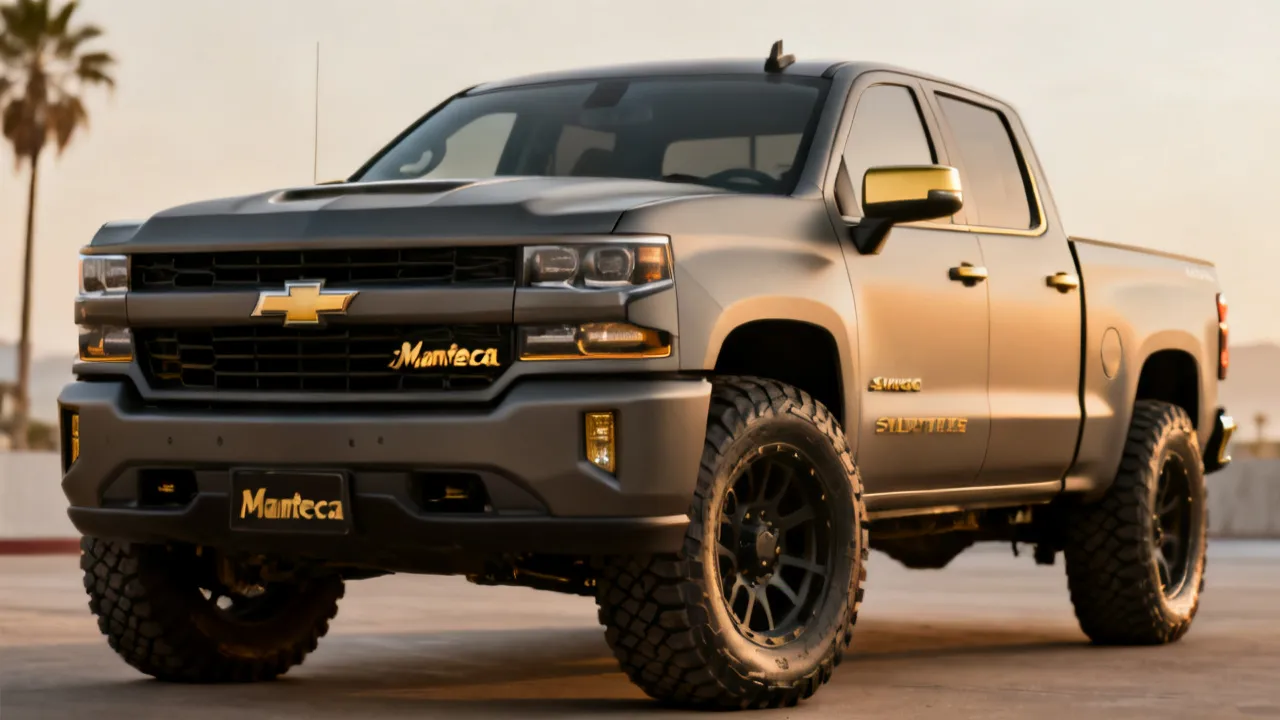
Chevy Silverado Manteca Edition Buying Guide and Analysis
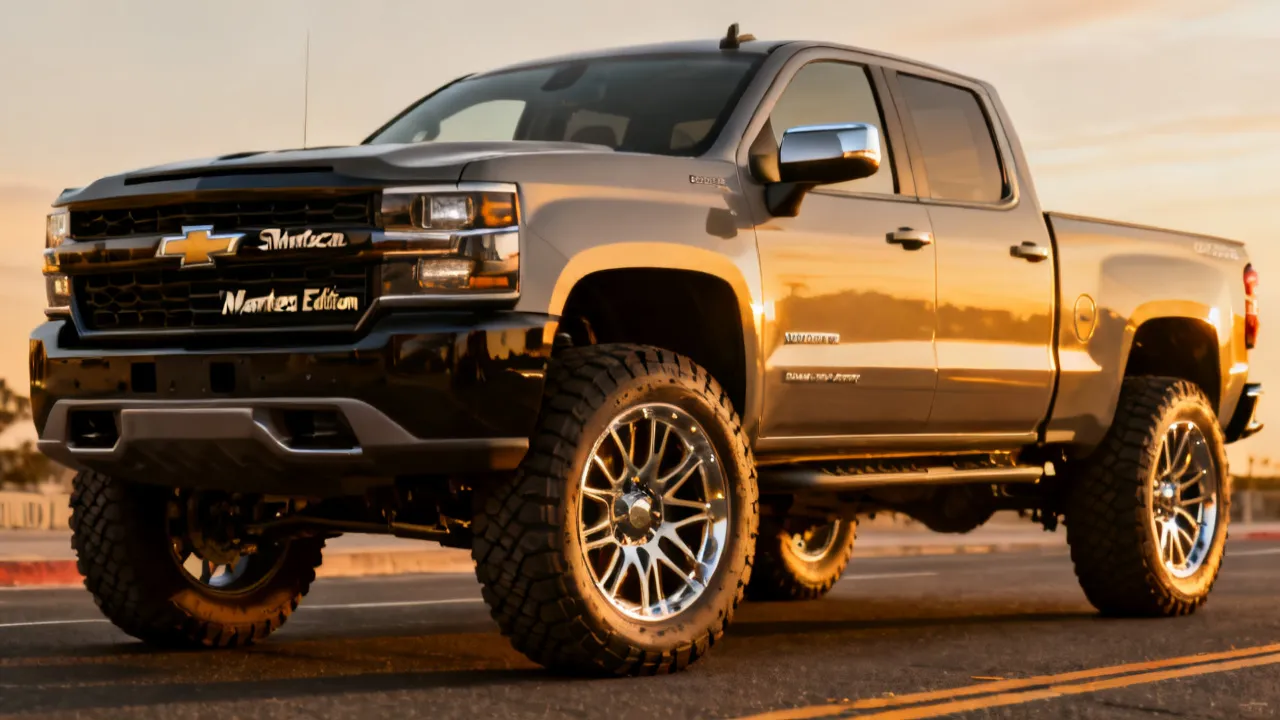
Chevy Silverado Manteca Edition: Buy Smart Guide
Chevy Silverado Manteca Edition: Buying Guide & Options
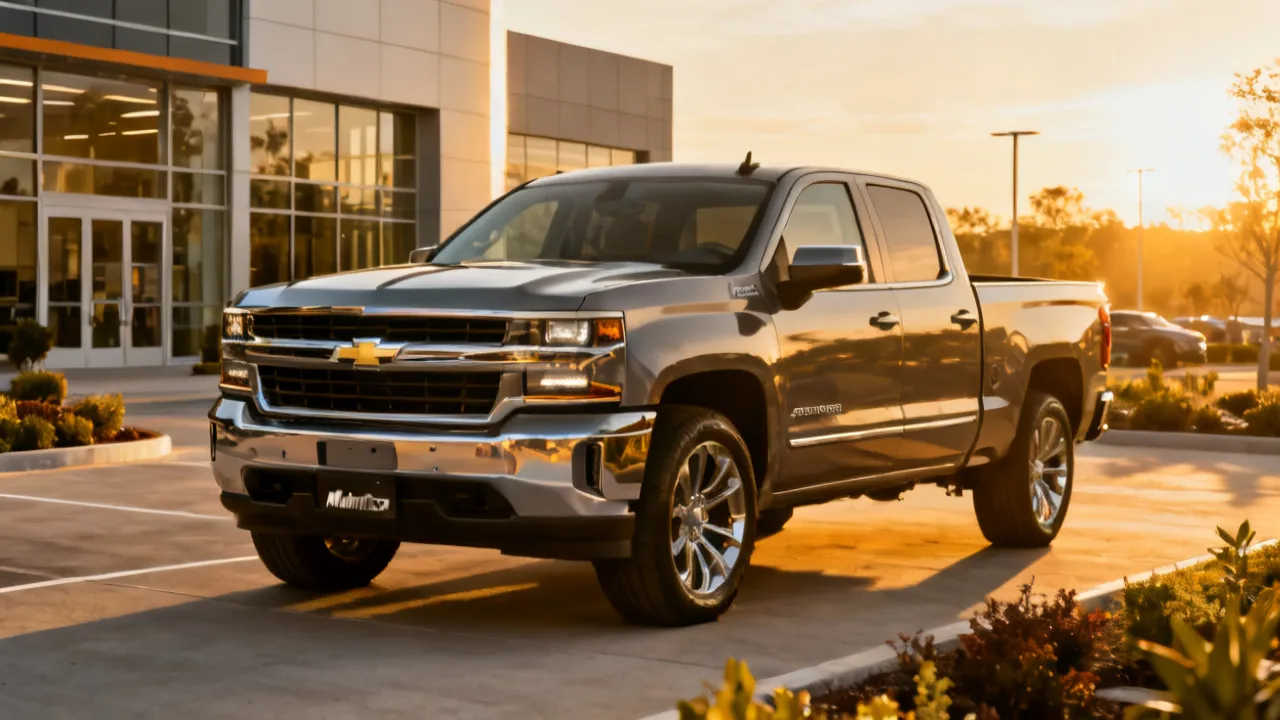
Chevy Silverado Manteca Edition: Buying Guide and Analysis
Chevy Silverado Manteca Edition Buying Guide
Chevy Silverado Manteca Edition Buying Guide
Chevy Silverado Manteca Edition: Buying Guide & Dealers
Chevy Silverado Manteca Edition Buying Guide
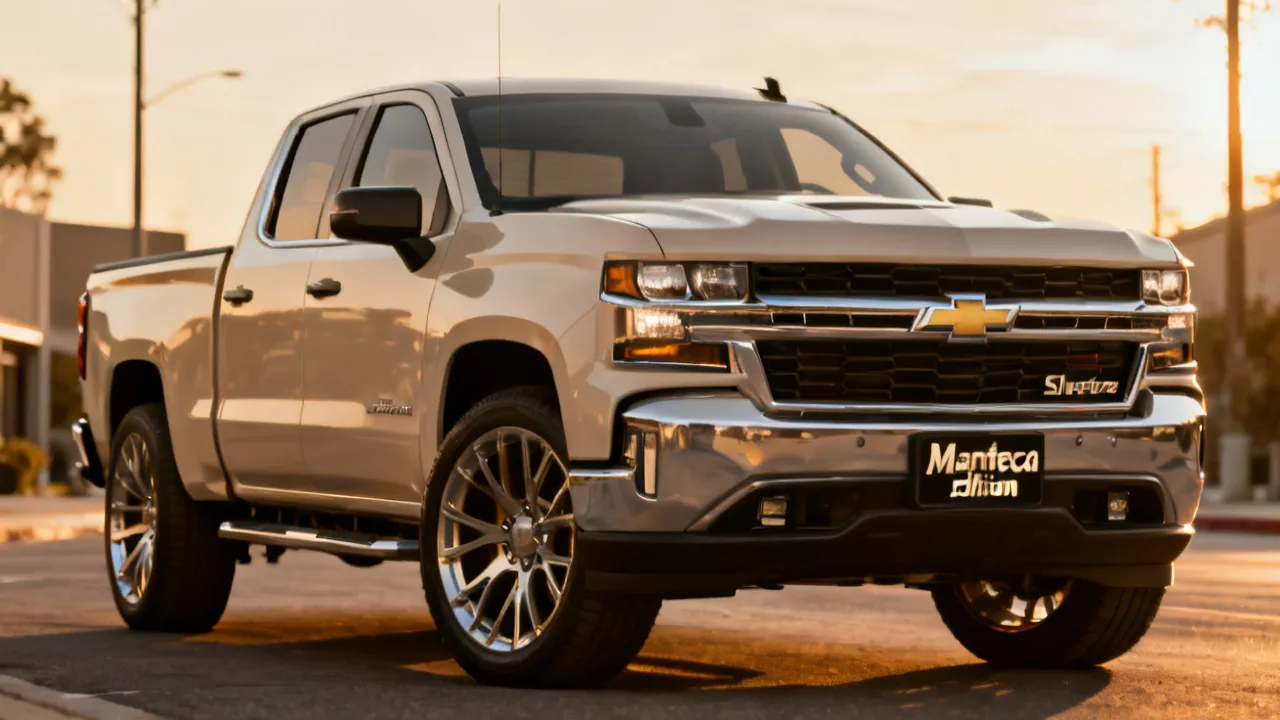
Chevy Silverado Manteca Edition: Buy Smart Guide
This guide explains how to evaluate and buy a Chevy Silverado Manteca Edition or comparable Silverado listings efficiently. The term “Manteca Edition” typically reflects a trim/package or locally marketed appearance theme, while “Chevy Silverado” denotes one of the very traded full-size pickup lines in North America. Background context covers how editions, pricing signals, and dealership inventories affect what buyers should verify before committing.
Chevy Silverado Manteca Edition: Buying Guide & Options
This guide explains how to evaluate the Chevy Silverado Manteca Edition and other Silverado models you may find on major car marketplaces, then shows practical steps to buy a cheap car on sale responsibly. The background covers what “edition” typically means, how pricing and availability vary by trim and condition, and why comparing listings across reputable dealers can reduce risk.
Chevy Silverado Manteca Edition Buying Guide
This guide explains how to evaluate and buy a Chevy Silverado Manteca Edition effectively, from identifying real inventory to comparing listings and verifying condition. Objectively, the “Manteca Edition” label typically refers to a trim-and-appearance package used by resellers or dealers, so shoppers should focus on build details, maintenance history, and pricing context rather than slogans. The guide also shows where to find listings online and how to confirm value.
Chevy Silverado Manteca Edition Buying Guide
This guide explains how to research and buy the Chevrolet Silverado Manteca Edition efficiently—using reputable official trading platforms, setting a smart inspection routine, and comparing costs beyond the sticker price. Background: the Silverado line is known for capability and broad trims, while the “Manteca Edition” typically signals a styled package tied to local availability or dealer configuration. The top deals depend on inventory, condition, and financing terms.
Chevy Silverado Manteca Edition: Buying Guide & Dealers
Learn how to evaluate and buy the Chevy Silverado Manteca Edition by comparing listings, verifying condition, and choosing the right purchase channel. Objectively, the phrase “Manteca Edition” typically signals a themed trim/appearance package associated with a Silverado variant, while market availability depends on dealer inventory and prior ownership history.
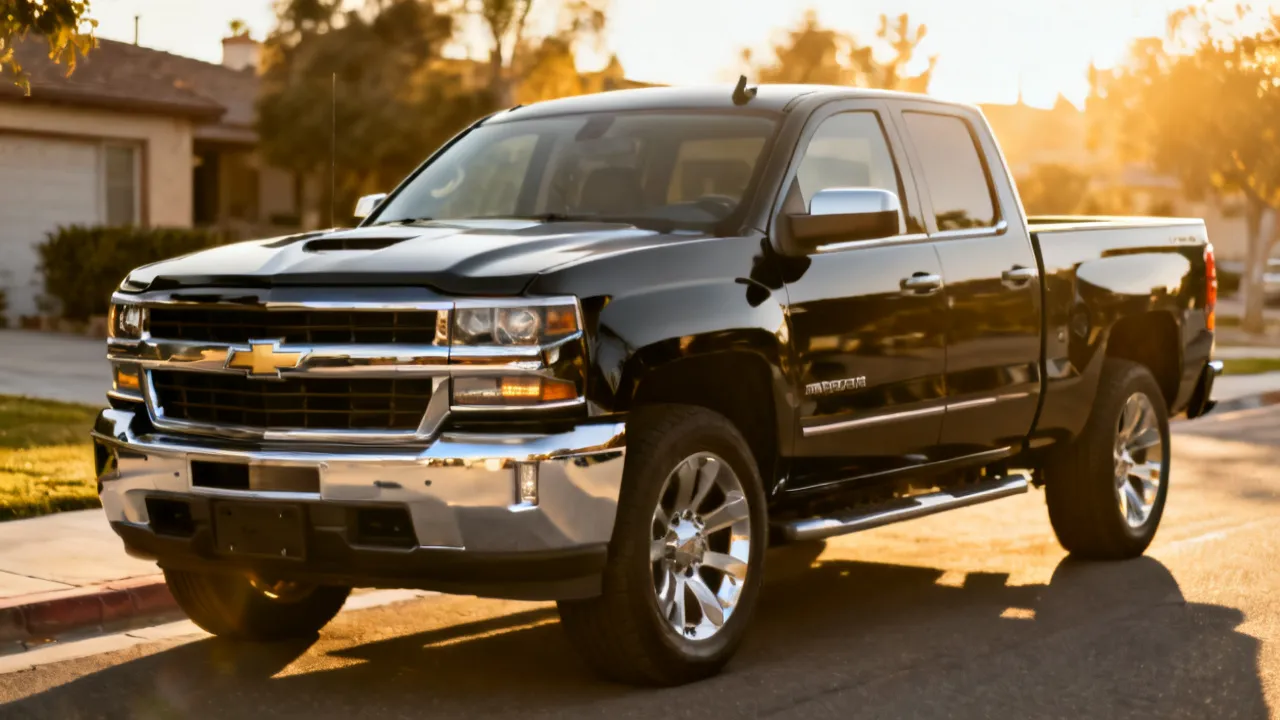
Buying the Chevy Silverado Manteca Edition Guide
This guide explains how to evaluate and purchase the Chevy Silverado Manteca Edition by comparing reliable dealer marketplaces and using a practical price-check workflow. The term “Manteca Edition” typically indicates a trim or special package identity for the Silverado, and shoppers often look for equipment-level value (wheels, appearance items, infotainment, and drivetrain). This article covers where to search, what to verify, and how to finalize a deal objectively.