Vehicle availability determines whether deliveries, field work, and customer service can run on time. This guide explains how availability is measured, what typically limits it, and how suppliers and fleet managers can align schedules, maintenance, and demand. It also presents practical conditions, a decision framework, and expert-backed FAQs to reduce downtime.
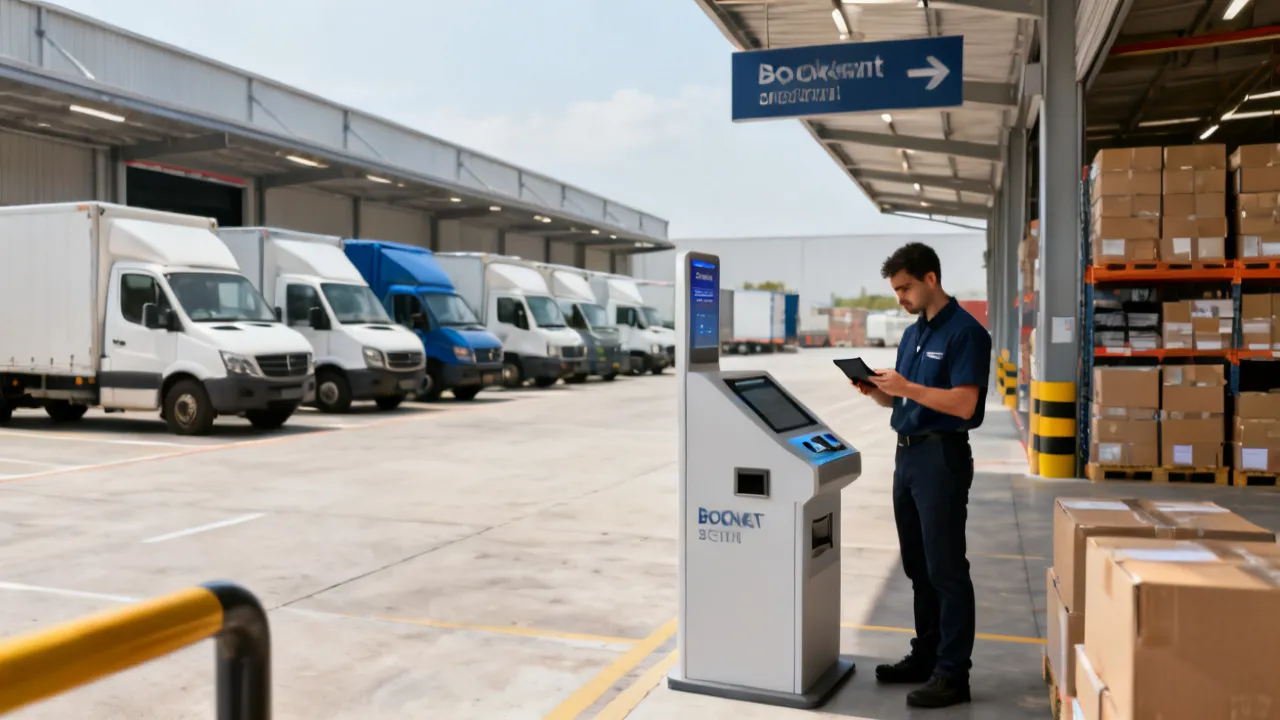
Vehicle availability is the operational foundation for reliable deliveries, technician dispatch, and customer-facing timelines. When you manage vehicle availability well, you reduce missed appointments, prevent costly rush repairs, and improve schedule accuracy—especially when demand fluctuates or unexpected downtime appears. From an industry perspective, the goal is not merely “having vehicles,” but having the right vehicles ready at the right time, with the right documentation and serviceability status.
In practice, vehicle availability is what makes service promises credible. A well-designed routing algorithm cannot compensate for vehicles that are not legally fit to operate, not mechanically safe, not staged where jobs exist, or not documented for the dispatch deadline. Conversely, when availability is controlled, other systems—scheduling, forecasting, inventory management, and customer communication—can perform at their best because the operational reality matches the plan.
That’s why vehicle availability is often described as the single lever that protects service levels: it is the one variable that sits directly between operational constraints and customer outcomes. You can improve forecasting models, optimize routes, and negotiate better rates—but if you cannot reliably dispatch usable assets on time, service quality will still erode.
Availability management is also a strategic discipline rather than a tactical reporting exercise. It forces cross-functional alignment between operations, maintenance, safety/compliance, procurement, and supplier management. When those teams share the same definitions, readiness gates, and escalation paths, the organization stops experiencing “surprise failures” that cascade into missed appointments and expensive operational firefighting.
In fleet and logistics environments, Vehicle Availability is commonly understood as the proportion of time and number of vehicles that are usable for planned work. However, expert practice refines this concept into measurable components:
Put simply: availability is a system outcome, not a hopeful assumption. The very effective organizations treat it like a control metric—reviewed daily, planned weekly, and audited monthly.
To understand availability properly, it helps to separate “vehicle existence” from “vehicle usability.” A vehicle may physically be in your fleet inventory, but it might not be usable because it has an open safety issue, an expired inspection, an unpaid or invalid compliance document, a known mechanical defect awaiting parts, or a mismatch between its capability and the job requirements.
Availability is also influenced by time. Many operational failures are not persistent; they are window-based. A vehicle might be available most of the week but becomes non-dispatchable during the hours when compliance checks, wash requirements, or technician calibration are required. Similarly, a vehicle might be mechanically fine but cannot be dispatched because it is not staged near the job site by the cut-off time.
As a result, availability should be defined not only as a percentage but also as a timeline: when vehicles become available, when they stop being available, and how quickly you can restore availability after a disruption.
Even when demand forecast accuracy is high, vehicle availability can degrade due to four frequent drivers:
From an operational standpoint, the top response is to connect vehicle availability with planning triggers—so actions occur before the disruption hits the customer-facing schedule.
Availability bottlenecks often emerge at the boundary between planning and execution. The plan might be valid on paper, but execution fails because the operational prerequisites are not enforced early enough. That’s why availability must be managed with gates, not only reported after the fact.
Consider an example: you commit to delivery slots based on expected vehicle counts. If inspection compliance is completed too late—or if a key vehicle class becomes restricted during the middle of the day—you may be forced to reroute, delay the appointment, or swap vehicles at the last minute. Last-minute swaps produce secondary costs: additional communication with customers, rework for dispatch, driver overtime, and potential penalties if the customer expects a specific delivery capacity or equipment configuration.
In other words, the availability bottleneck is rarely only about mechanical failure. It’s about the system’s ability to translate “we have assets” into “we can confidently dispatch assets with the right readiness status at the promised times.”
Supplier involvement can dramatically improve or worsen your vehicle availability depending on how they manage fleet readiness and communication. When evaluating a supplier, consider whether they can demonstrate:
Industry practice favors suppliers that can provide structured, timely updates—because availability is measured in hours and days, not in broad promises.
One reason supplier selection becomes critical is that availability risks are often hidden behind lead time uncertainty. Even if a supplier can supply vehicles “when needed,” availability still depends on how quickly they can return assets to your readiness standard. If your readiness gates are strict—for example, if safety inspections must be completed to a specific timestamp, or if certain job categories require specific equipment—then suppliers must show not only their ability to provide vehicles but also their ability to maintain compliance and readiness at the level your operations require.
Evaluating suppliers should also include how they handle exceptions. In real operations, disruptions happen: a vehicle breaks, a document expires, a staging site is unavailable, or a driver cannot take the shift. The most valuable suppliers are those that have repeatable, documented disruption handling processes. Those processes include substitution logic, escalation authority, communication cadence, and root-cause reporting.
When you request supplier information, you want evidence. Evidence means structured readiness reporting, a clear definition of readiness categories, documented escalation paths, and measurable performance outcomes over time. Without evidence, your organization may become dependent on optimism—leading to schedule instability during high-stress periods.
While performance varies by industry and region, transport and fleet reliability is widely analyzed using operational metrics such as uptime, mean time between failures (MTBF), and maintenance effectiveness. For reference on common reliability concepts used across asset-intensive industries, see the International Organization for Standardization materials on reliability and maintainability terminology (ISO reliability/maintainability standards are frequently referenced in industry practice). For broader fleet and maintenance methodologies, professional bodies and industry research often emphasize evidence-based maintenance planning rather than reactive fixes.
Source context (for methodology, not vendor promises): ISO reliability/maintainability terminology and widely adopted reliability engineering frameworks; additional insights are commonly covered in maintenance and logistics research published by recognized transport authorities and industry journals.
It’s important to translate reliability language into fleet availability decisions. MTBF provides a view of how often failures might occur, but availability is about the time lost when failures happen (down time). Two fleets with similar MTBF can have very different availability if one has faster diagnosis, better parts availability, and more efficient maintenance workflows.
Similarly, maintainability affects availability. Maintainability is not just about technician skill; it includes how easy it is to access components, how predictable the maintenance tasks are, how effectively the organization manages tools and parts, and how well maintenance scheduling is integrated into dispatch planning.
Availability is therefore an intersection of reliability (how often vehicles fail) and maintainability (how quickly you restore them). Supplier performance also falls into this same logic: a supplier who promises “more vehicles” might still underperform if their maintenance recovery process is slow or if readiness documentation is not timely.
In practice, advanced organizations often create a reliability-to-availability bridge by tracking not only whether vehicles failed but also the operational category of downtime. Downtime categories typically include mechanical fault downtime, inspection/compliance downtime, administrative downtime (paperwork delays), waiting time (parts not ready), and staging relocation delays. Each category leads to different interventions.
The very useful approach to Vehicle Availability is risk-first. Start by identifying the constraints that very directly cause missed schedules:
Then, implement operational controls around those constraints: tighter readiness gates, earlier escalation, and dispatch rules that match vehicle capability to job requirements.
The inverted pyramid method works because availability failures are not equal. Some issues cause immediate schedule loss; others cause minor inconvenience or short delays. By prioritizing the critical constraints, you build an availability system that protects service levels even when disruptions occur.
For example, consider staging mismatch. A vehicle may be mechanically ready and compliant, but if it is physically located too far from the job site, the dispatcher might still miss the appointment time. This risk should be treated as a readiness issue because, from the customer’s perspective, the outcome is the same: the vehicle cannot arrive on time. Therefore, geography is part of availability.
Information latency is also critical. If readiness changes are discovered late—say, after the dispatch cut-off—your operation can’t recover effectively. That can create a domino effect: a vehicle that is “available” at 9:00 AM becomes “unavailable” at 10:00 AM, but dispatch already committed jobs at 9:30 AM. When you improve information latency (through automated alerts, near-real-time readiness updates, and defined communication rules), you reduce the “late discovery tax.”
Improving Vehicle Availability doesn’t necessarily mean more vehicles; it often means better control of the system you already have. Experts typically prioritize the following:
Create a small set of operational states so teams and suppliers talk in the same language. For example:
This reduces dispatch ambiguity and prevents “surprise downtime” from disguised maintenance needs.
The key to readiness categories is consistency. If dispatchers and maintenance teams interpret categories differently, the categories become meaningless. For example, one team might treat “conditionally ready” as safe enough for any job, while another might treat it as only safe for low-load tasks. You want categories to be tied to explicit constraints that are understandable and enforceable.
A practical readiness design often includes:
Then the dispatch system can enforce those categories through rules—rather than through manual interpretation.
Reactive maintenance erodes availability. Predictive or condition-based approaches—where feasible—help teams act earlier. Even without advanced telematics, you can use structured checklists, fault-code review, and maintenance history patterns to trigger earlier interventions.
Conditioning example: If a vehicle repeatedly shows similar faults near a certain mileage/time window, your maintenance plan should adapt to the observed pattern so downtime is scheduled during low-demand periods.
Predictive signals do not need to be expensive to be effective. Many organizations can implement low-cost predictive practices:
Condition-based maintenance also improves maintainability. When maintenance is scheduled early, parts are more likely to be available in time, technicians can plan labor capacity, and repairs are less likely to become emergency work. Emergency work is expensive not only due to overtime but also due to the loss of time for diagnosis and parts logistics.
In addition, predictive signals enable “availability scheduling.” Instead of treating failures as random events, you treat risk windows as predictable. That means you can intentionally allocate maintenance during periods where downtime hurts least.
Many fleets schedule repairs based on general timelines, but availability is tied to your real workload calendar. The top practice is to coordinate maintenance windows with dispatch peaks and route-critical periods. This is where supplier coordination matters: the supplier’s capacity to complete repairs by your desired date must be reflected in your planning horizon.
To align maintenance with dispatch realities, you need a shared planning calendar between operations and maintenance. Many organizations have separate calendars—one for work orders and one for dispatch. Availability management requires a unified view, at least at the planning horizon level where schedule commitments are made.
Key questions to answer during maintenance alignment include:
Maintenance alignment also requires acknowledging variability. Even if the average repair duration is short, the tail risk—delays caused by parts shortages or rework—can destroy service levels. Availability planning should include not only “planned duration” but also a conservative assumption for worst-case or high-variability scenarios.
Availability improves when you can respond immediately. A substitution playbook should define:
This reduces schedule “thrash” and shortens recovery time when disruption occurs.
Substitution playbooks are often underdeveloped because teams assume substitutions will be obvious. In real operations, substitutions are rarely obvious because jobs have nuanced requirements. For instance, a job might require a specific temperature range, a certain attachment type, or a vehicle weight class. A substitution playbook should capture these requirements in a structured way.
A robust substitution playbook often includes decision logic like:
To prevent repeated “manual decision-making,” substitution rules should be embedded into dispatch workflows. The goal is to reduce decision latency and avoid inconsistency between dispatchers during stressful events.
Substitution playbooks also reduce organizational risk. If substitutions are handled informally, some vehicles might be used outside compliance constraints, creating safety and legal exposure. Documentation is a must because it preserves auditability and supports continuous improvement.
In many organizations, the operational moment you discover a vehicle cannot be used is when it fails compliance checks—an avoidable loss of availability. Make compliance readiness a gate in your dispatch process.
Documentation should not be treated as an administrative afterthought. It is a dispatch prerequisite. When you treat documentation as part of availability, you create a disciplined, enforceable system where vehicles must meet compliance gates before becoming dispatchable.
Document-related failure modes include:
To reduce these failures, you can implement:
When documentation is integrated into availability gates, service-level protection becomes more reliable because compliance failures no longer appear as “surprises.”
In last-mile operations, availability affects routing, promised delivery times, and driver coverage. If Vehicle Availability is low during peak hours, it forces inefficient rerouting or missed delivery windows. Effective strategies include staging vehicles near high-demand zones and using substitution rules for vehicle capacity compatibility (e.g., payload and vehicle type constraints).
Last-mile also has a unique availability complexity: time windows are tight, and route plans are sensitive to small disruptions. A single vehicle going unavailable can force multiple changes because routes are interdependent. For instance, if a van is replaced by a smaller vehicle, some deliveries might require rescheduling or split deliveries, which can increase customer contact and operational cost.
To protect service levels in last-mile delivery, availability management should address:
Additionally, last-mile operations often rely on customer notifications. If availability issues are detected early, you can send proactive communications and preserve trust. If issues are discovered late, customer communication becomes reactive, and delays are more likely to create dissatisfaction and escalations.
For field service organizations, availability combines vehicle readiness with technician scheduling. A common failure mode is vehicle downtime discovered after technicians are already assigned. To counter this, synchronize dispatch cutoffs with maintenance and inspection completion—then keep a near-term standby option to protect customer appointments.
Field service availability is more than a dispatch issue; it is a customer experience issue. Customers often schedule appointments around specific time windows. If the technician arrives late, it affects customer trust regardless of the underlying reason.
To improve availability in field service, organizations should integrate:
One effective practice is to create appointment-level availability buffers. Instead of assuming every vehicle can handle the appointment window, you treat each appointment as having a dispatch readiness requirement that must be met before assignment. If a vehicle becomes unavailable, you then consult the substitution playbook to find an alternative combination of vehicle + technician fit.
Field service availability also benefits from clear “standby logic.” Standby vehicles should be treated as readiness assets rather than generic spare units. If standby vehicles exist but are not staged, not documented, or not prepared, they cannot protect service levels when needed.
On-site work often requires vehicles in specific condition levels and load capacities. Availability must include equipment fit and safety compliance. If availability is tracked only as “vehicle exists,” teams may deploy assets that later fail operational criteria, creating costly delays at the job site.
Construction environments add additional constraints: job sites may have access restrictions, safety requirements, and strict loading limits. A vehicle that is mechanically operational may still be unusable if it doesn’t meet required load class, isn’t compatible with the job’s equipment needs, or cannot safely operate under site conditions.
Availability management in construction should include:
Additionally, construction fleets might experience higher variability in maintenance needs due to harsh operating conditions. That means unplanned downtime risk is often higher, and predictive maintenance becomes more important. When the environment is harsh, “minor faults” can develop faster into larger failures.
A construction availability system should therefore link operational risk to maintenance planning. If certain vehicles operate on more demanding routes or tasks, their maintenance cycles and readiness thresholds might need to be adjusted based on real usage intensity.
The request you provided does not include specific numeric price information or named supplier details. Still, it is important to address how pricing typically interacts with Vehicle Availability. In many markets, suppliers price availability in terms of:
Because pricing structures vary widely, experts recommend evaluating total operational cost of availability: not only the rental or service fee, but also the costs of downtime, rescheduling, customer penalties, and additional labor required to manage disruptions. This perspective helps you avoid selecting the low price option that quietly reduces availability—and increases downstream cost.
Note on data integrity: When comparing suppliers, request documented service-level descriptions and availability reporting methods rather than relying on marketing claims.
Responsible value evaluation means converting availability promises into operational realities. For example, a supplier might offer a “guaranteed vehicle within 24 hours.” If your peak demand requires same-day dispatch within a 3-hour cut-off, then “24 hours” is not a meaningful guarantee for service level protection. The supplier’s availability commitment should be aligned to your dispatch timeline, readiness gate requirements, and substitution logic.
Similarly, “uptime guarantees” can be misleading if they focus only on mechanical operation and ignore compliance documentation and dispatch prerequisites. If uptime is guaranteed but documents are updated late, dispatch still fails. Therefore, evaluation must consider the full definition of availability as used in your operations.
The section below translates key supplier and planning expectations into a structured set of comparisons and practical requirements. It is meant as a supplement to the main guidance on Vehicle Availability.
| Area | Supplier/Provider Strength (Preferred) | Weaker Signal (Risk) | Practical Requirement |
|---|---|---|---|
| Readiness Visibility | Provides status updates tied to readiness categories (Ready / Conditionally Ready / Unavailable) | Shares only fleet counts without readiness context | Weekly + daily status reporting cadence with clear definitions |
| Response to Disruption | Has substitution and escalation playbooks with defined authorization | Escalation process is vague or informal | Documented escalation SLA (e.g., response time and decision ownership) |
| Maintenance Coordination | Coordinates maintenance windows with customer dispatch cycles | Schedules maintenance without considering peak workload windows | Planned maintenance schedule shared within agreed planning horizons |
| Compliance Readiness | Ensures safety checks and documentation validity before dispatch | Compliance checks are last-minute or reactive | Dispatch gate: no dispatch if compliance requirements are not met |
| Staging and Location Fit | Supports staging near demand zones where feasible | Assumes vehicles can be relocated quickly without penalties | Define staging zones and response expectations for local demand |
| Reporting and Auditability | Tracks availability causes (maintenance vs. compliance vs. staffing/other) | Reports only outcomes without root-cause breakdown | Availability root-cause reporting format for continuous improvement |
Even the top planning can fail if basic requirements aren’t met. For Vehicle Availability initiatives, experts typically insist on the following:
Operational discipline is what transforms availability from a concept into a capability. Without ownership and shared definitions, different teams will optimize locally. Maintenance might optimize for workload completion, dispatch might optimize for short-term schedule coverage, and compliance might optimize for documentation completeness—yet the organization loses availability if these optimizations conflict.
To prevent that, you can implement a governance model that includes:
The highest-impact drivers are typically unplanned downtime (mechanical faults), maintenance scheduling conflicts, parts and labor lead times, compliance readiness lapses, and staging/location mismatches. Improving readiness gates and substitution protocols usually yields faster improvements than focusing on generic capacity expansion.
In addition, information latency and decision latency often play a role. Even if a vehicle is fixable, you can lose availability if repairs are recognized too late or if dispatch decisions are slow. Therefore, availability improvements should cover not only maintenance processes but also detection, communication, and workflow speed.
Organizations commonly measure availability as a time-based or count-based metric, often tied to usable/dispatch-ready status. Some track “availability by job coverage” (whether demand can be served), while others track “fleet uptime” (whether vehicles are operational). The key is to define the calculation method and ensure reporting uses consistent readiness categories.
A practical measurement approach is to define at least three metrics: (1) operational readiness availability (mechanical + inspections), (2) dispatch-ready availability (includes capability fit and staging), and (3) scheduled coverage availability (whether your expected demand can be met within promised windows). This layered approach reduces blind spots.
Yes. Many improvements come from reducing preventable downtime through better maintenance coordination, earlier fault detection, and stricter dispatch gates. Another effective lever is operational planning—staging vehicles closer to demand areas and using substitution rules that match vehicle capabilities to job requirements.
In many organizations, the first gains are “availability hygiene” improvements: aligning readiness categories, enforcing documentation gates, and reducing information latency. These improvements require process discipline more than capital expenditure.
Ask for readiness definitions, reporting cadence, escalation and substitution playbooks, maintenance coordination practices, and compliance assurance processes. If the supplier can’t explain how availability is tracked and corrected when disruptions occur, your planning risk increases.
Also ask how they handle partial readiness. For example, if a vehicle is mechanically ready but has a compliance document nearing expiration, do they classify it as conditionally ready, and what restrictions apply? The supplier should be able to explain this with evidence and clear operational rules.
They are related but not identical. Uptime often focuses on whether the vehicle is mechanically running, while availability usually includes additional dispatch prerequisites such as compliance checks, documentation validity, capability fit, and assignment/staging suitability.
For service levels, availability is the more meaningful metric because customers experience the outcome—whether the vehicle arrives and performs—rather than the underlying mechanical state.
Peak spikes should be handled using standby or reserve coverage, staged readiness planning, and pre-approved substitution rules. Also align maintenance schedules to avoid servicing vehicles during the highest workload windows. A daily review process during peaks helps reduce late disruptions.
During peaks, your availability system should shift from periodic review to event-driven monitoring. That includes earlier readiness gate checks, more frequent status updates, and faster escalation when a vehicle enters a restricted or unavailable state.
Common mistakes include measuring availability without clear readiness definitions, failing to include compliance readiness, waiting too long to act on emerging downtime patterns, and not coordinating maintenance windows with dispatch realities. Another frequent issue is lack of auditability—without root-cause tracking, you can’t improve effectively.
Another subtle mistake is optimizing for a single metric. If you optimize “vehicle count availability” but ignore documentation and capability fit, you get an illusion of readiness. Availability must reflect dispatch reality.
Compare total cost of availability: supplier fees plus the cost of disruptions you expect based on their readiness visibility, response discipline, and maintenance coordination. Request the method behind their availability reporting rather than relying only on the headline price.
When comparing suppliers, also consider contract terms that affect availability risk transfer. For example, who owns maintenance planning, who owns emergency repair scheduling, and what happens when readiness fails close to the dispatch cut-off? These contractual details directly influence operational outcomes.
At minimum, include readiness definitions, reporting cadence, escalation responsibilities, substitution rules, maintenance coordination commitments, and compliance assurance requirements. Also specify how exceptions are handled and how disputes are resolved.
Agreements should also define service-level measurement methods and thresholds. If your agreement defines performance vaguely, you cannot hold the supplier accountable for the outcomes you care about.
Activate your incident response: verify readiness status, determine downtime root cause quickly, consult the substitution playbook, and communicate changes early to dispatch teams and customers. The goal is to prevent schedule cascading effects across multiple jobs.
During an incident, the most important actions are often fast triage and controlled recovery. Triage means quickly sorting vehicles into readiness categories and classifying downtime cause. Controlled recovery means using substitutions and prioritization rules so you protect the highest service-level commitments first.
Vehicle Availability is not a static asset count; it is a managed capability created through readiness definitions, supplier coordination, maintenance planning, and dispatch decision discipline. When you build the operational controls described above—especially the readiness gates, substitution protocols, and structured supplier comparisons—you create a system that can withstand disruption while protecting customer commitments.
When vehicle availability is treated as a managed capability, organizations can shift from firefighting to planning. Instead of learning about failures after they harm customers, you detect readiness risks earlier, schedule maintenance deliberately, and apply substitution logic consistently. That protects service levels not only during stable periods but also during peaks, volatility, and unexpected downtime.
If you want, share your vehicle types, typical job categories, dispatch lead times, and any supplier arrangement you currently use. I can then help you tailor a measurement approach and a practical availability playbook for your specific workflow.
Understanding Vehicle Availability for Smart Rental Decisions

Vehicle Availability Guide for Informed Inventory Decisions

How to Manage Vehicle Availability for Rentals

Vehicle Availability Guide for Buying a Car Deal

Understanding Vehicle Availability for Smarter Fleet Planning
Understanding Vehicle Availability for Smarter Sourcing

Vehicle Availability: Expert Guide for Smart Planning

Vehicle Availability Guide for Smarter Fleet Planning
Vehicle Availability: How to Buy a Car on Sale

Understanding Vehicle Availability for Smart Rental Decisions
Vehicle Availability is the deciding factor behind cost, timing, and service quality in car rentals. This guide explains—objectively—what “availability” means, how it’s managed across suppliers, what conditions affect inventory, and how to plan around demand and lead times. You’ll also find a comparison-style checklist, step-by-step sourcing guidance, and practical FAQs to reduce uncertainty.
Vehicle Availability Guide for Informed Inventory Decisions
This guide explains how Vehicle Availability is tracked, validated, and communicated when you are planning a purchase or fleet booking. It provides objective background on why inventory visibility matters—covering sourcing timelines, supplier reliability, and demand variability—so you can compare options and set realistic expectations for delivery and documentation.
How to Manage Vehicle Availability for Rentals
This guide explains how to manage vehicle availability for rentals with an expert, operations-focused approach. It defines Vehicle Availability in practical terms, reviews demand and supply drivers, and outlines how inventory checks, scheduling, and supplier coordination reduce downtime. You’ll also find comparison guidance, requirements, and FAQs to support consistent service delivery.
Understanding Vehicle Availability for Smarter Fleet Planning
This guide explains how Vehicle Availability is measured, monitored, and improved so fleets can plan routes, staffing, and maintenance with confidence. Vehicle Availability reflects the number of vehicles that are ready for service within a defined time window, factoring in maintenance schedules, driver capacity, and compliance checks. The objective overview below clarifies why it matters and how to manage trade-offs responsibly.
Understanding Vehicle Availability for Smarter Sourcing
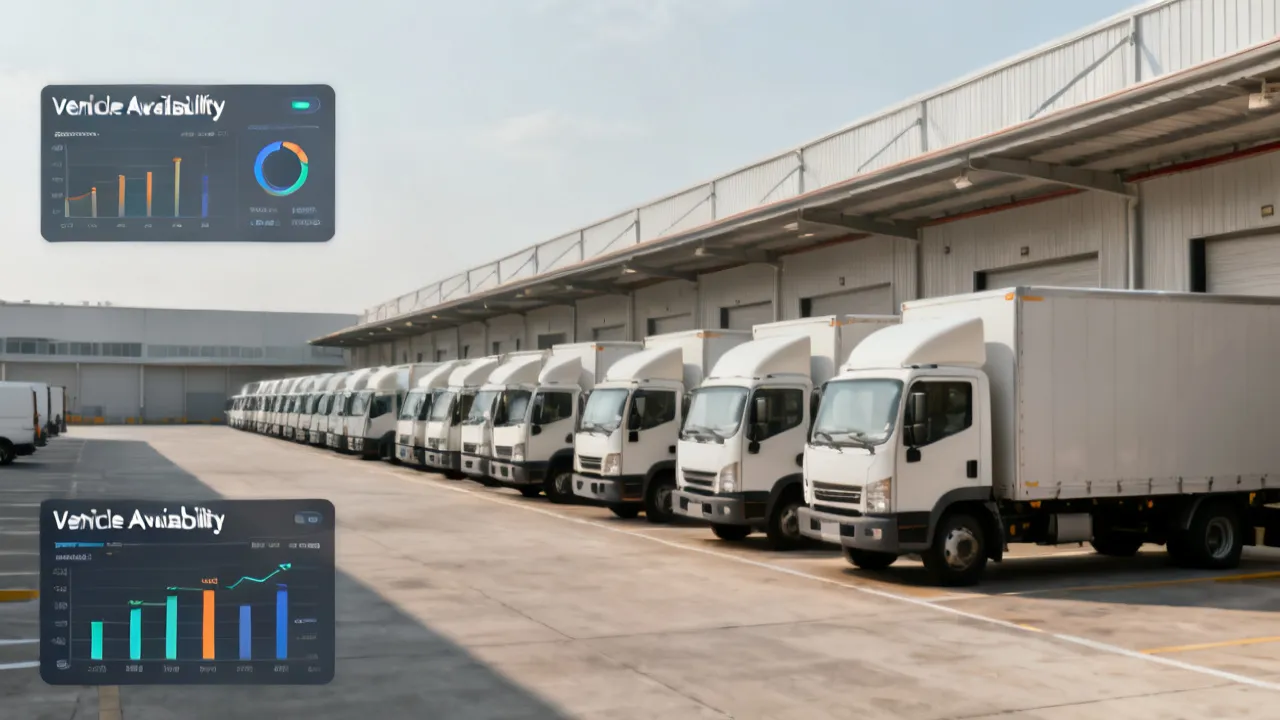
This guide explains how Vehicle Availability is assessed, confirmed, and managed when you’re sourcing cars through suppliers. You’ll learn objective ways to evaluate inventory readiness, lead times, and documentation requirements, plus practical decision criteria for buyers and fleet managers. Background context covers why real-world availability often differs from online listings.
Vehicle Availability: Expert Guide for Smart Planning
Vehicle availability is the key factor behind smooth rentals, fleet scheduling, and delivery commitments. This guide explains what “Vehicle Availability” means in practice, how suppliers manage inventory, what drives real-time supply, and how you can plan responsibly to reduce delays—using clear decision criteria, checklists, and requirements readers can apply across common vehicle categories.