This guide explains how to assess Vehicle Availability across dealers and fleets, so you can plan purchases or rentals with fewer surprises. “Vehicle Availability” reflects how quickly specific models can be reserved, delivered, or serviced based on inventory, sourcing, and lead times. Learn what to verify, how to compare suppliers, and which conditions affect availability decisions.

Vehicle Availability is your ability to reliably obtain a specific vehicle (or a precisely defined class/equivalent) within a timeframe that actually matches your needs—without relying on vague promises, casual “it’s probably available” assurances, or marketing language that sounds reassuring but can’t be operationally proven.
From an expert perspective, the most dependable way to evaluate Vehicle Availability is to confirm three things immediately: (1) what is actually in stock or already reserved, (2) what can be sourced and how long sourcing takes, and (3) what constraints could prevent delivery or registration at the moment you need the vehicle most.
That sounds straightforward, but in practice many people evaluate availability only at the headline level (“they have it” or “they can get it”). A professional approach treats availability as a process with measurable dependencies, because delays often originate from inventory constraints, transport logistics, or missing documentation—not from the physical existence of the vehicle you’re expecting.
When you treat availability as a measurable process (not a sales claim), you make better decisions and reduce costly downtime. Whether you are buying for personal use, coordinating a travel plan, managing a fleet, or planning rentals for customers, the difference between “available” and “verifiably available on time” can be the difference between smooth execution and last-minute chaos.
Vehicle Availability is rarely static. Inventory levels can shift day-to-day due to sales velocity, trade-ins, repairs, compliance checks, and a whole set of operational realities that don’t always show up in a simple listing. Even when two deals appear to offer the “same model,” trim level, drivetrain, color, safety equipment, or regional specification can make one offer effectively different from another.
To evaluate this objectively, treat availability as a chain of dependencies. The chain might look simple on paper, but each link can introduce its own delay, constraint, or substitution risk.
For a practical and expert-level evaluation, interpret Vehicle Availability as depending on:
These dependencies explain why two quotes can look similar while Vehicle Availability differs substantially in real life. One dealer may have the unit physically present and already cleared; another may be offering a tentative claim contingent on sourcing, reconditioning, and paperwork approvals that take longer than expected.
When you compare suppliers for Vehicle Availability, focus on evidence that reduces uncertainty. “Trust me” is not a timeline. “We’ll see” is not a plan. Industry professionals typically validate items that connect an offer to a measurable unit and a measurable readiness state.
High-quality suppliers will usually help you confirm details such as:
This approach is especially important if you’re operating under a deadline: event logistics, time-bound travel, scheduled business operations, or service coverage that cannot move.
Price is not only a number; it is often a reflection of how constrained supply is, how ready the unit is, and what it costs the supplier to accelerate the process.
Vehicle Availability can influence total cost in several ways beyond the sticker price:
From an expert procurement standpoint, compare quotes using a “total planned cost” lens rather than headline pricing alone. Ask suppliers to itemize sourcing, transport, storage, prep, and readiness charges so you can connect cost directly to Vehicle Availability conditions.
In many real cases, “cheaper” deals are cheaper because they quietly assume longer timelines, higher substitution risk, or incomplete readiness—until you discover those costs later through delays, emergency transport, or additional reconditioning fees.
Supplier competence often shows up in how they manage uncertainty. A strong supplier doesn’t just sell a result; they manage a process.
In Vehicle Availability evaluations, reliable suppliers typically:
By contrast, weaker suppliers may rely on broad statements without confirming unit-level details. Even if the final vehicle arrives, the planning experience can be stressful and less predictable—and for fleets or repeat procurement, inconsistency can affect operational schedules and customer trust.
As you evaluate supplier details, pay attention to how they respond to structured questions. A supplier who can handle unit-level verification and written timelines is usually more capable than one who answers with generic confidence.
Vehicle Availability is not just about total lead time; it’s about lead time being broken into workable steps. When you translate lead-time estimates into a practical timeline, you reduce the probability that your schedule collapses due to one missing dependency.
Industry scheduling commonly divides timing into:
This breakdown matters because many timelines fail due to assumptions about what the supplier “means” by a date. For example, one supplier might count the start date as “order confirmed,” while another counts it as “vehicle physically leaves the lot.” If you don’t align definitions, you can end up disappointed even when the supplier “meets” their internal estimate.
An expert approach ensures the timeline is anchored to real events and includes buffer time aligned with your schedule constraints.
Vehicle Availability is impacted by conditions across sales and logistics processes. Policies vary by supplier and market, but certain factors are common enough to treat as potential risks.
Examples include:
To keep Vehicle Availability expectations aligned, ask suppliers to state these conditions upfront. Then verify whether your scenario satisfies them. For example: do they require certain documents before the vehicle is released? Do they require payment before the sourcing attempt begins? Do they require specific appointment windows for handover?
The following table compares common supplier categories and the availability signals you should look for. It’s designed to help you assess reliability without relying on vague marketing language.
| Supplier Type | Typical Vehicle Availability Strength | Key What-to-Ask | Common Limitations |
|---|---|---|---|
| Local dealer with on-site inventory | Often fastest handover when the exact unit is present and ready | Unit identifiers, readiness checklist, reservation terms | Limited matches for rare trims or specific option combinations |
| Dealer sourcing through partner networks | Better coverage when the exact configuration isn’t on-site | Defined lead-time window, option substitution policy, sourcing pathway | Availability may shift if partner inventory changes |
| Fleet procurement specialist | Structured scheduling and repeatable processes for multiple units | Standard procurement workflow, documentation timeline, fleet spec compliance | May prioritize contract requirements over individual customization |
| Rental/lease-oriented supplier | Availability focused on short-term turnover and demand cycles | Handover readiness standards, extension rules, service/repair handling | Vehicle selection may be constrained by seasonal usage patterns |
| Independent broker | Can sometimes uncover hard-to-find units through varied sources | Written confirmation of unit-level details and delivery terms | Lead-time variability and differing documentation quality |
A practical note: even among supplier types, the actual quality depends on the supplier’s internal process discipline. Two brokers can have very different reliability because one has stable sourcing partners and standardized paperwork workflows, while another may rely on informal networks that create unpredictable delays.
Availability planning benefits from using established industry reporting rather than purely guessing based on your local experience. While you still need supplier-specific verification, broader research helps you understand why lead times may widen or inventory may tighten during certain periods.
Two credible reference categories include:
For instance, U.S.-based sources like the National Automobile Dealers Association and industry analyses drawing from official registration and sales reporting can help contextualize demand cycles and inventory pressures.
For availability expectations at the operational level, procurement experts also rely on internal “SLA-like” practices: specifying what “available” means (unit identity, condition, readiness, and timing) and documenting the criteria. This is how teams make sure “availability” remains testable even when the supply chain fluctuates.
Note: This article avoids unverified numerical claims. If you need locally precise lead-time benchmarks or pricing trends, consult the latest official or trade publications relevant to your region and supplier type. The key is not the exact number—it’s whether availability is defined clearly enough for you to plan and execute.
Use the following process to evaluate Vehicle Availability in a way that is repeatable and auditable. This is how many procurement teams reduce “surprise delays” and prevent last-minute schedule failures caused by unclear definitions.
Before asking if a vehicle is available, define what “the vehicle” means for your scenario. List the exact needs that matter, such as:
In availability terms, specificity reduces the risk of substitution. If you are not specific, you may end up accepting a near-match that looks identical but triggers downstream costs (insurance adjustments, feature limitations, compliance mismatches, or different maintenance needs).
If you’re flexible, document flexibility. For example, you might require the same powertrain and safety package but allow color variation. That flexibility can improve availability without increasing your operational risk.
Ask for inventory control identifiers tied to the specific unit: VINs, lot numbers, or internal stock references. If the supplier can’t identify the unit, ask whether they are offering a “vehicle class” rather than a guaranteed unit.
Vehicle Availability should be tied to a measurable unit reference whenever possible. Without unit-level confirmation, you can’t confidently track status changes or know whether the vehicle remains reserved for you.
Also ask how the supplier will communicate updates. Will you receive a status email? Is there a portal? Who is responsible for providing the updated timeline if something changes?
Clarify whether “available” includes vehicles that are:
Each status changes the probability of timely delivery. A unit that is “on-order” can be significantly different from one that is “ready.” A unit “reserved” can still be delayed if the other reservation changes or if your supplier’s internal process releases the hold.
Professional suppliers can usually describe what stage the unit is in—where it sits in the chain of preparation and documentation—and what remains to be completed.
Ask for a concrete window and the date that triggers it. For example:
Then ask what events could move the window. For example:
This turns lead time into a planned schedule with known failure points, instead of a guess.
Request itemization of any sourcing, transport, prep, or readiness charges. Vehicle Availability-related costs should be transparent so you can weigh speed versus budget constraints.
Ask questions like:
When costs are unclear, Vehicle Availability becomes harder to validate because you don’t know what activities are actually included in the promise.
If the supplier can only deliver a similar configuration, define acceptable substitution rules.
For example, specify:
Without written substitution conditions, your “availability” might lead to a mismatch that creates operational costs later—like needing a different insurance class, reconfiguring fleet tooling, or failing to meet customer requirements.
Confirm when documents will be provided. Typical documents might include:
Delays in paperwork often matter as much as the vehicle itself. A vehicle that is physically present but cannot be registered immediately can still fail your schedule.
So ask about documentation timing explicitly. For example: will you receive documents before pickup? Will you receive them by email immediately after signing? Will they provide a temporary registration or proof of ownership when required?
For time-sensitive needs, add a buffer period for potential compliance or documentation adjustments. A buffer is not a sign you “don’t trust” the supplier; it’s a standard operational tactic that protects your calendar against inevitable real-world variations.
Buffer size depends on your urgency and how critical registration timing is. If you need the vehicle on a fixed date for a specific event, you may need a wider buffer than if your deadline is flexible.
Many avoidable problems stem from misunderstanding what availability claims include. The most common mistakes are predictable—and they can be avoided with simple verification.
By addressing these pitfalls up front, you align expectations with actual Vehicle Availability constraints and prevent preventable schedule failures.
Vehicle Availability means different things depending on who you are and what you’re using the vehicle for. Two people might ask for the same SUV, but the availability threshold—and what “counts” as on-time—can be very different.
Personal buyers frequently need a vehicle to align with a personal calendar: move-in dates, job start dates, school drop-off routines, or travel departure. For personal use, “usable delivery” matters because once you’re at the deadline, you can’t always delay your life schedule.
Personal buyers should focus on three confirmations:
If you need the car by a certain morning, ask whether the supplier can guarantee handover by that time or whether the vehicle will only be available “sometime that week.”
For fleets, Vehicle Availability is less about convenience and more about operational continuity. Your company’s service levels can depend on whether replacement vehicles are ready when they’re needed.
Fleet buyers should treat Vehicle Availability as a contractual deliverable. That means you want:
Additionally, fleets often need compliance paperwork for drivers, maintenance schedules, or company policies. If the supplier’s process for documentation is slow, your fleet might not be able to deploy the vehicle even after physical delivery.
Rental and lease suppliers are tightly coupled to turnover schedules. Availability has to account for return inspection, repairs, clean-up, and re-certification steps. Even if a vehicle is physically present, it might not be ready to be rented due to service checks or pending maintenance.
For customers planning rentals (or for suppliers providing rentals), Vehicle Availability should include readiness criteria and extension rules. For example:
These questions ensure that availability remains functional rather than theoretical.
Events place additional pressure on the timeline. A vehicle might be delivered on a date, but not be operational due to missing paperwork, incomplete pre-delivery inspections, or unresolved issues that need quick fixes.
If you’re planning for an event date, treat Vehicle Availability as “delivery-to-operation” rather than “delivery on the calendar.” Ask what must happen before the vehicle can be used and how long each step takes.
Vehicle Availability is often discussed as if it only depends on inventory. In many real cases, the biggest scheduling risk is documentation and compliance. This isn’t a minor detail—it can fully block registration or handover.
Documentation and compliance delays can originate from:
To manage this, ask for a documentation timeline that mirrors your operational timeline. Instead of asking “Will I get paperwork?” ask:
Suppliers with strong Vehicle Availability processes usually have clear documentation checklists and defined turnaround times.
Condition readiness is where people frequently get surprised. A vehicle may be physically in stock but not “ready” according to the operational standards required for your timeline.
Ready for delivery commonly includes:
Availability claims should include which parts of readiness are already completed and what remains. If a supplier tells you “it’s ready,” ask: ready how? Ready for pickup today? Ready after a reconditioning appointment? Ready once an inspection is completed?
Vehicle Availability without clarity on readiness is like a hotel listing that says “available”—but doesn’t specify whether the room is cleaned, inspected, or stocked.
Transport logistics are a major driver of Vehicle Availability risk, especially when sourcing comes from multiple markets or when vehicles are moved from auctions, warehouses, or trade-in staging areas.
Even when a unit is sourced successfully, timing can slip due to:
To reduce this risk, ask suppliers about the logistics pathway:
Strong suppliers will treat transport timing as part of availability, not as an afterthought.
Vehicle Availability often becomes problematic when the exact vehicle isn’t available. Substitution is sometimes inevitable, but it must be managed.
To make substitution safe, set rules for what can change and what cannot. Consider:
Then define an “acceptance” mechanism: how will you confirm the substitute is acceptable before it becomes final?
Without these rules, “we can deliver something close” can turn into “you received something different,” and that difference can become expensive. For example, a different powertrain could affect maintenance schedules, warranty applicability, or insurance classifications.
People often treat availability as binary: either it’s available or it isn’t. In reality, availability exists on a spectrum. A professional approach helps you plan based on probability and risk.
One practical way to think about Vehicle Availability is in levels:
If a supplier cannot clearly place your order into one of these levels with written definitions, treat the availability as uncertain. You may still proceed, but you should adjust your schedule buffers accordingly and plan contingencies.
When timelines matter, the supplier’s behavior during exceptions is critical. Vehicle Availability isn’t just about the initial promise; it’s about how problems are handled when reality deviates from expectations.
Ask about escalation in advance:
Suppliers with strong processes usually have established escalation paths and will not leave you waiting without information. This reduces operational disruptions because you can adjust your plan sooner rather than later.
Vehicle Availability can affect more than your calendar—it can affect downstream costs and operations. If you accept substitutes or if delivery is delayed, your insurance and warranty workflows may change.
Consider these operational impacts:
When you evaluate availability, consider whether supplier readiness includes these operational steps or if they’re on you. Availability should be assessed in terms of “usable by your organization,” not simply “physically delivered.”
If you want Vehicle Availability to be clearly measurable, ask structured questions. The goal is to elicit responses that can be documented and compared. Below are example questions you can use across supplier types.
Unit and status questions
Timeline questions
Documentation questions
Substitution questions
Logistics questions
These questions convert Vehicle Availability into a set of verifiable commitments rather than impressions.
Many sellers use similar wording: “available,” “fast,” “in stock,” “ready soon.” The key is to look past similar language and focus on whether the underlying commitments are comparable.
When comparing offers, ensure that each quote answers the same availability questions. If one supplier provides:
Then that offer is easier to validate.
If another supplier provides only:
Then the “availability” is not comparable—even if the headline price looks attractive.
In expert procurement terms, you want offers that are structured enough to allow a risk assessment. If you cannot assess risk, you cannot plan effectively.
Vehicle Availability is the supplier’s ability to deliver a specific vehicle (or a clearly defined equivalent) within an agreed timeframe, considering unit identity, readiness condition, sourcing lead time, and documentation/compliance steps.
Request unit-level identifiers (VIN or inventory control references), clarify what “available” includes (present-ready vs present-in-repair vs on-order), and ask for a defined lead-time window tied to a specific trigger date. Also ask for written conditions for substitutions or delays.
Not necessarily, but faster access and higher readiness often involve costs (prep work, logistics, priority sourcing, or supplier buffer allocations). Compare total planned cost, including any delivery, reconditioning readiness, sourcing, and documentation-related charges.
Common causes include incomplete documentation, reconditioning needs, transport processing delays, parts delays for repairs, and misalignment on specifications or substitution rules.
Yes, especially for fleets, business use, or time-bound needs. Define the specific unit (or acceptable equivalent), the lead-time window, substitution rules, and delivery/documentation timing in writing. If the supplier won’t document it, treat the availability as uncertain.
Set substitution criteria in advance—what options are mandatory, what can vary (such as color), and what constitutes an unacceptable deviation (such as missing safety equipment or different powertrain configuration). This protects your operational requirements and prevents last-minute surprises.
Yes. Use official or trade publications that track market demand, inventory dynamics, and supply-chain conditions. For operational decisions, combine those insights with supplier-specific evidence like unit status, reservation mechanics, and documented lead times.
When you evaluate Vehicle Availability with disciplined verification—unit identity, readiness status, lead-time clarity, supplier credibility, escalation behavior, and documented conditions—you move from hope to certainty. Whether you’re planning a personal purchase, arranging a rental window, or managing fleet procurement, the professional principle remains the same: availability is not a slogan; it’s a measurable delivery capability.
If you want, tell me your region and the vehicle category (for example: compact SUV, commercial van, or electric model). I can tailor a checklist that aligns with the very common local purchasing and documentation flows—plus the specific availability questions that matter most for that category.
Understanding Vehicle Availability for Smart Rental Decisions

Vehicle Availability Guide for Informed Inventory Decisions

How to Manage Vehicle Availability for Rentals
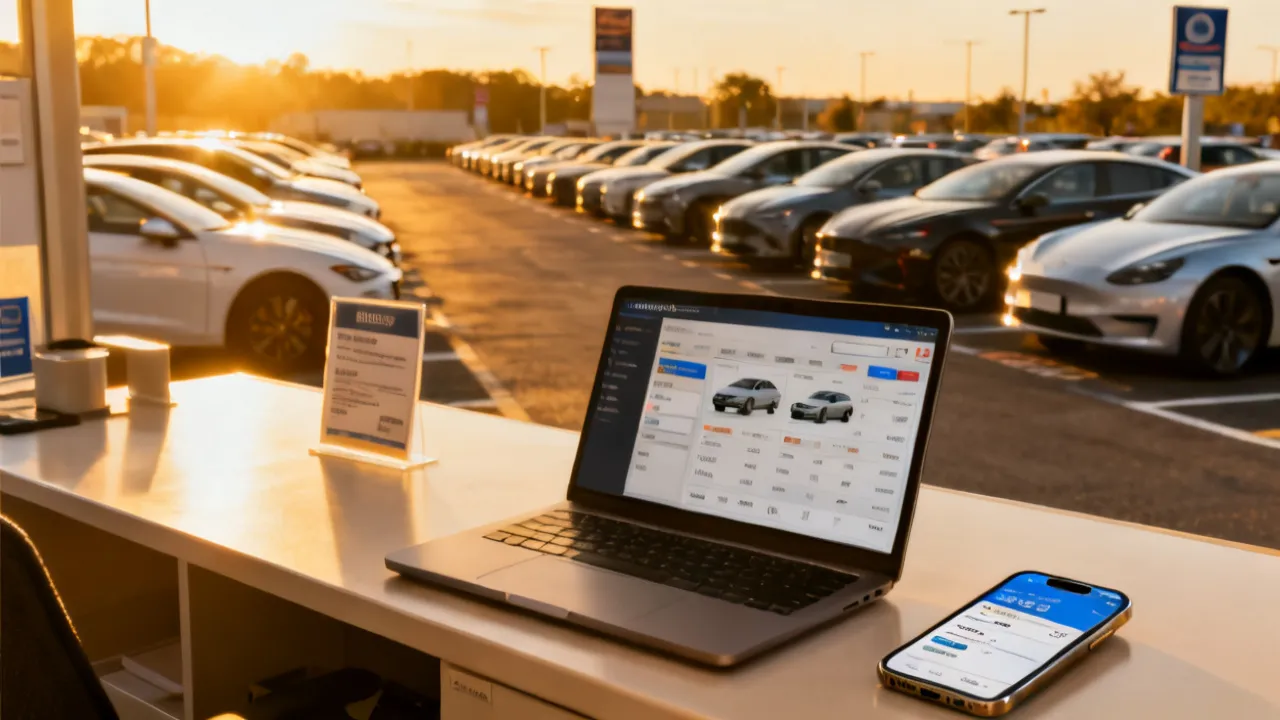
Vehicle Availability Guide for Buying a Car Deal

Understanding Vehicle Availability for Smarter Fleet Planning
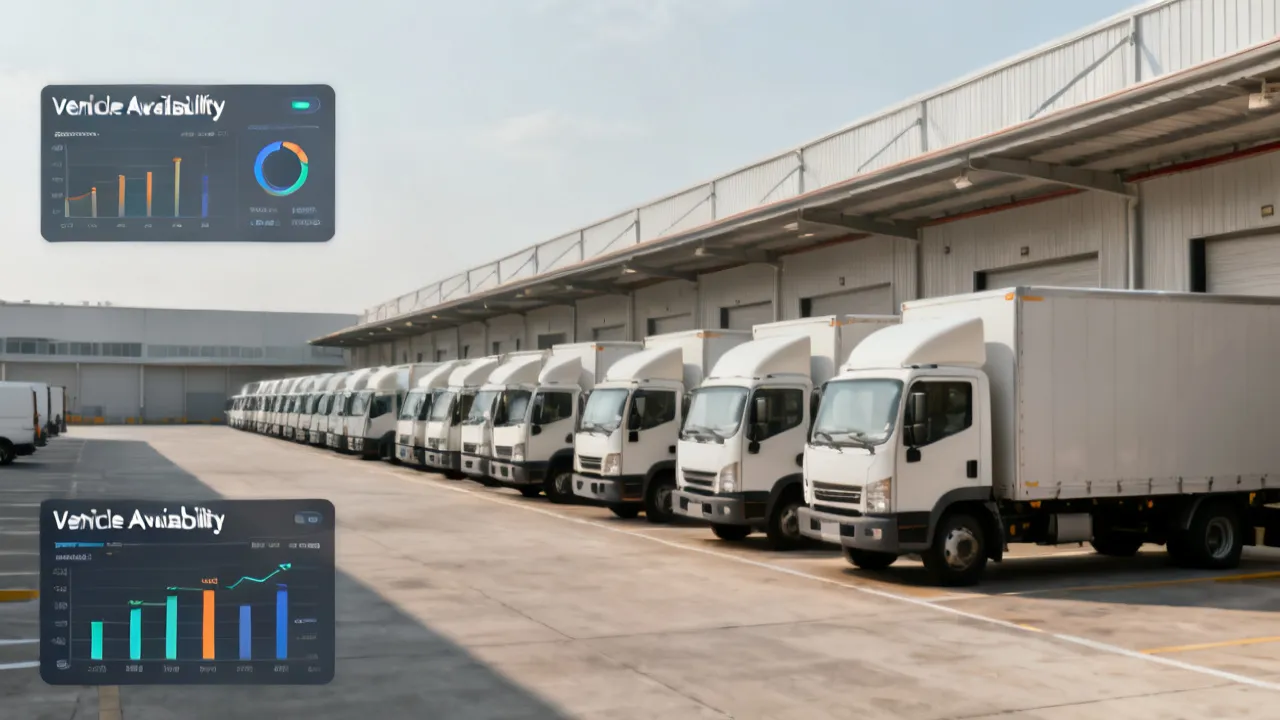
Understanding Vehicle Availability for Smarter Sourcing

Vehicle Availability: Expert Guide for Smart Planning

Vehicle Availability Guide for Smarter Fleet Planning
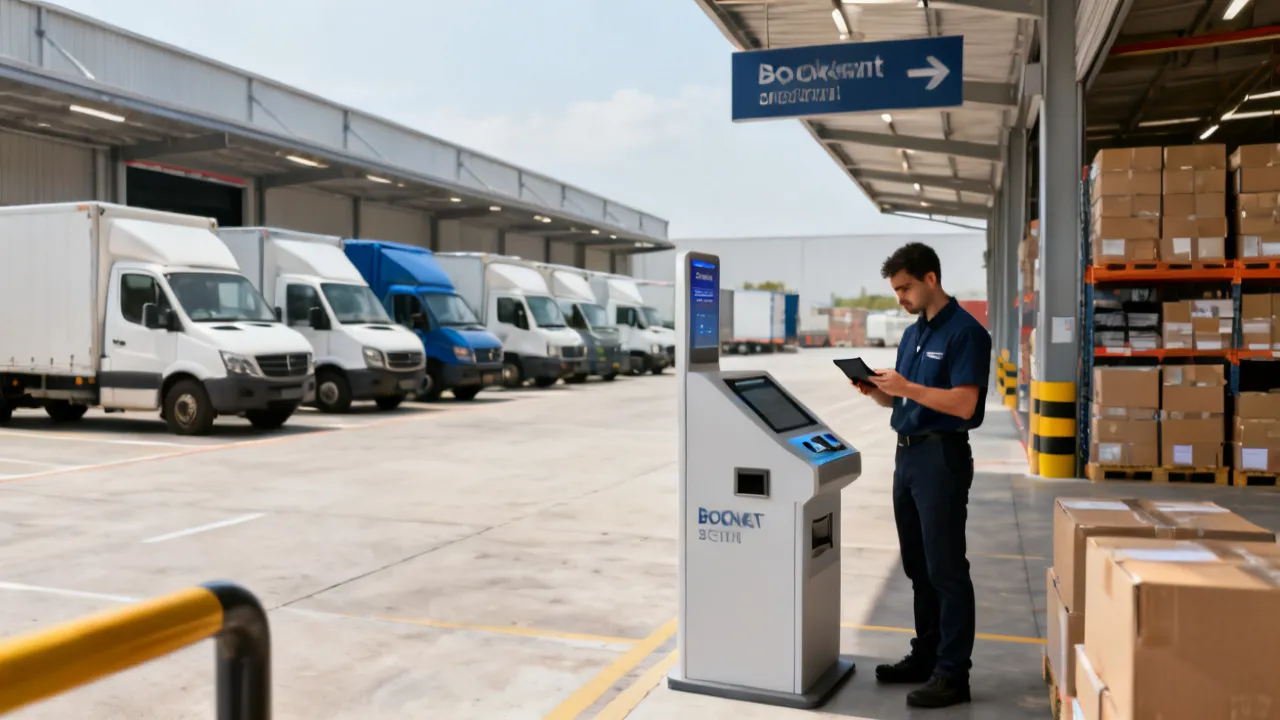
Vehicle Availability: How to Buy a Car on Sale

Understanding Vehicle Availability for Smart Rental Decisions
Vehicle Availability is the deciding factor behind cost, timing, and service quality in car rentals. This guide explains—objectively—what “availability” means, how it’s managed across suppliers, what conditions affect inventory, and how to plan around demand and lead times. You’ll also find a comparison-style checklist, step-by-step sourcing guidance, and practical FAQs to reduce uncertainty.
Vehicle Availability Guide for Informed Inventory Decisions
This guide explains how Vehicle Availability is tracked, validated, and communicated when you are planning a purchase or fleet booking. It provides objective background on why inventory visibility matters—covering sourcing timelines, supplier reliability, and demand variability—so you can compare options and set realistic expectations for delivery and documentation.
How to Manage Vehicle Availability for Rentals
This guide explains how to manage vehicle availability for rentals with an expert, operations-focused approach. It defines Vehicle Availability in practical terms, reviews demand and supply drivers, and outlines how inventory checks, scheduling, and supplier coordination reduce downtime. You’ll also find comparison guidance, requirements, and FAQs to support consistent service delivery.
Understanding Vehicle Availability for Smarter Fleet Planning
This guide explains how Vehicle Availability is measured, monitored, and improved so fleets can plan routes, staffing, and maintenance with confidence. Vehicle Availability reflects the number of vehicles that are ready for service within a defined time window, factoring in maintenance schedules, driver capacity, and compliance checks. The objective overview below clarifies why it matters and how to manage trade-offs responsibly.
Understanding Vehicle Availability for Smarter Sourcing
This guide explains how Vehicle Availability is assessed, confirmed, and managed when you’re sourcing cars through suppliers. You’ll learn objective ways to evaluate inventory readiness, lead times, and documentation requirements, plus practical decision criteria for buyers and fleet managers. Background context covers why real-world availability often differs from online listings.
Vehicle Availability: Expert Guide for Smart Planning
Vehicle availability is the key factor behind smooth rentals, fleet scheduling, and delivery commitments. This guide explains what “Vehicle Availability” means in practice, how suppliers manage inventory, what drives real-time supply, and how you can plan responsibly to reduce delays—using clear decision criteria, checklists, and requirements readers can apply across common vehicle categories.